

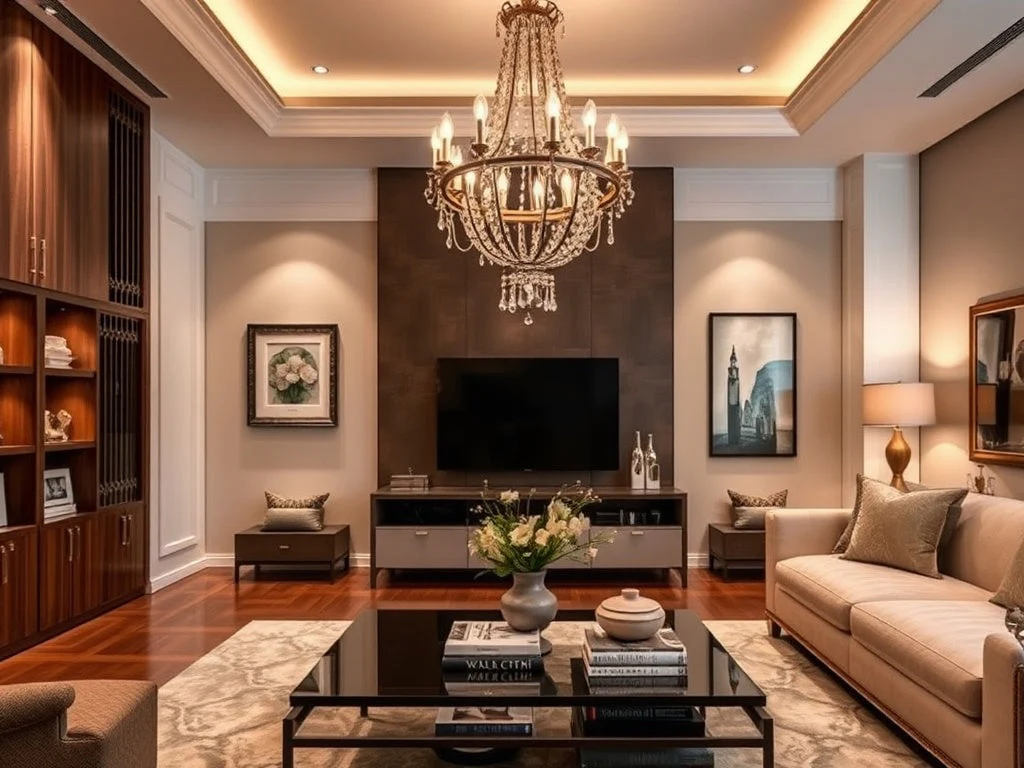

Discover how to elevate your interior design by mastering the art of coordinating lighting with furniture finishes. This guide will explore the impact of lighting on the perception of furniture, the importance of fixture styles, and best practices for creating a harmonious and inviting space.
The Art and Science of Lighting: Elevating Furniture Display to New Heights
Why is Lighting Crucial for Showcasing Furniture?
Lighting is more than just illumination; it’s an essential tool that transforms furniture from mere objects into captivating statements of design.
– Lighting breathes life into furniture pieces, emphasizing their unique shapes, textures, and craftsmanship that might otherwise go unnoticed in dull or insufficient lighting.
- Every curve, line, and detail in a piece can be dramatically highlighted or muted based on how the light interacts with it.
- This interaction creates focal points that naturally draw the viewer’s eye, enhancing the overall aesthetic experience.
– Effective lighting sets the mood and atmosphere around the furniture, influencing the emotional response of viewers or potential buyers.
- Warm lighting can evoke feelings of coziness and comfort, ideal for living room sets or bedroom furniture.
- Cooler lighting might project modernity and sophistication, perfectly fitting for sleek office desks or minimalist chairs.
– Proper lighting helps convey the true dimensions and scale of furniture, preventing misinterpretations that can occur under inadequate or flat lighting conditions.
- Shadows and highlights created through strategic lighting provide depth and perspective, helping people visualize how the furniture fits into their space.
- This aspect is particularly critical in showrooms, where potential buyers must assess size and proportion without physical placement.
Lighting serves as the silent ambassador of furniture design, communicating nuances that words cannot capture and creating immersive visual stories that resonate deeply with audiences.
How Does Different Lighting Affect Color Perception?
The way furniture colors appear under various lighting conditions can dramatically alter perception, making color accuracy a paramount consideration.
– Natural light reveals colors in their most authentic form, but its dynamic nature throughout the day presents challenges in maintaining consistent color presentation.
- Morning light may impart a crisp, cool tone, while afternoon sunlight tends to be warmer and richer.
- Designers often use natural light to inspire but complement it with artificial sources to ensure color consistency.
– Warm artificial lighting, such as incandescent or warm LED bulbs, enhances reds, oranges, and yellows, creating an inviting glow but sometimes distorting cooler hues.
- This type of lighting can make wooden furniture with warm finishes look more vibrant and luxurious.
- However, blues and greens might appear muted or slightly yellowed, which could mislead buyers about their true color.
– Cool lighting, typically provided by fluorescent or cool white LEDs, sharpens blues and greens but can make warm-toned furniture seem washed out or stark.
- This is particularly useful in highlighting modern or contemporary furniture that favors sleek designs and cooler palettes.
- Yet, it may cause organic or rustic pieces to lose their natural warmth and appeal.
The nuanced interplay between lighting temperature and color perception requires astute selection of light sources to truly honor the furniture’s palette, ensuring every shade tells the story it was meant to convey.
What are the Best Lighting Choices for Various Furniture Materials?
Lighting must be tailored to the material qualities of the furniture to bring out their intrinsic beauty and functional character.
– Wood:
- Warm incandescent or LED lights are ideal for wood furniture, as they accentuate the natural grain, richness, and intricate textures.
- Directional spotlights or soft washes can reveal the complexity of different wood types—from the rustic charm of pine to the elegant sheen of mahogany.
- Avoid overly cool lighting as it can make wood look dull and lifeless, stripping away its organic warmth.
– Metal:
- Metals respond spectacularly to more focused, cooler lighting, which accentuates their shine, polish, and sleekness.
- Reflective surfaces benefit from bright, directional lighting that creates compelling highlights and subtle shadows, emphasizing their contours and finishes.
- It’s crucial, however, to avoid glare that can overwhelm the visual appeal or cause discomfort to viewers.
– Fabric and Upholstery:
- Soft, diffused lighting works best to gently illuminate upholstered furniture, preserving the tactile invitation fabrics offer.
- The interplay of light and shadow can emphasize the depth of tufting, texture of weaves, and vibrancy of patterns without washing them out.
- Adjustable ambient lighting allows moods to shift—from intimate and cozy to bright and energetic—complementing the room’s function and style.
– Glass and Acrylic:
- Transparent or translucent materials thrive under a mix of direct and ambient light that highlights their sleek surfaces and clean edges.
- Lighting from beneath or behind can create mesmerizing effects, adding layers of dimension and sophistication.
- Avoid harsh over-lighting to prevent unwanted reflections or distortion, thereby preserving crispness and clarity.
Choosing the right lighting for each furniture material is an art form in itself — a dialogue between material essence and light’s transformative power that ultimately crafts an unforgettable visual narrative.
How to Perfectly Match Fixture Style with Furniture Design for a Cohesive Space
What Is Fixture Style and Why Does It Matter in Interior Design?
The term “fixture style” refers to the overall look and aesthetic of lighting elements or built-in features in your home, such as chandeliers, sconces, and ceiling fans. Understanding fixture style is crucial because it sets the tone for the entire room.
– Fixture style acts as the visual anchor that connects the architecture and furnishings, creating a unified ambiance that reflects your personal taste and design goals.
- When fixtures blend seamlessly with furniture, they elevate the room’s mood and feel purposeful rather than random.
- A mismatched fixture can disrupt harmony, making the design feel disjointed or chaotic.
- Recognizing different fixture styles—from industrial to classic, modern to farmhouse—guides you toward a cohesive décor plan.
– The selection of fixtures isn’t just about illumination; it’s a design statement that communicates the room’s identity and character to anyone who enters.
- For instance, a vintage crystal chandelier evokes elegance and grandeur, imprinting a formal impression.
- Conversely, minimalist metal fixtures radiate a sleek, modern vibe that can make a space feel fresh and forward-thinking.
- Thus, your fixture style should ideally echo the furniture’s design language to avoid a visual mismatch.
– Decoding fixture style helps you anticipate scale, texture, and material compatibility with your furniture pieces, ensuring your space feels balanced and thoughtfully curated.
- For example, ornate fixtures with detailed metalwork complement richly carved wood furniture but could overwhelm simpler, streamlined furnishing.
- Light fixtures with soft, diffuse surfaces harmonize with upholstery that prioritizes comfort and subtlety.
- Knowing the style vocabulary lets you play with contrasts or reinforce similarities artfully.
How to Identify Your Furniture Design Style to Coordinate with Fixtures
Understanding your furniture style is the foundation of matching it effectively with fixtures. Each style carries distinct characteristics, and pinpointing yours ensures a smooth design dialogue between furniture and lighting.
– Begin by examining the era, lines, materials, and functions of your furniture to categorize its style, whether it’s mid-century modern, traditional, rustic, or contemporary.
- Mid-century modern is exemplified by clean lines, tapered legs, and organic shapes—favoring streamlined fixtures in brass or black metal.
- Traditional furniture often features rich woods, curves, and intricate details that pair well with fixtures boasting ornate designs or classic finishes.
- Rustic furniture embraces natural textures and raw materials, harmonizing with warm-toned fixtures like wrought iron or distressed metals.
– Assessing furniture scale is just as important as style; oversized pieces call for substantial, statement fixtures, while petite furniture pairs best with delicate, understated lighting.
- Large sectional sofas or bulky armoires need a bold fixture to anchor the visual weight in the room.
- Conversely, a petite vintage side table is best complemented by smaller sconces or subtle pendant lights to maintain proportional balance.
- Recognizing these relationships keeps neither furniture nor fixtures from visually overpowering each other.
– Color schemes and finishes found in your furniture dictate compatible fixture palettes, forming a cohesive narrative through harmonious or deliberately contrasting choices.
- Deep mahogany furniture pairs wonderfully with warm bronze or antique gold fixture finishes.
- Furniture clad in soft neutral fabrics can be uplifted by shimmering chrome or polished nickel fixtures.
- Contrasting colors—such as black fixtures with light wood furniture—create visual tension that energizes the space when executed thoughtfully.
Practical Tips for Creating a Harmonious Fixture and Furniture Combo
Building a room where fixtures and furniture coexist beautifully requires strategy and creative intuition. These practical tips help you move beyond mere visual appeal to achieve timeless cohesion.
– Establish a consistent design theme for your room that guides fixture and furniture choices—whether it’s industrial loft, classic elegance, or cozy farmhouse.
- Starting with a mood board helps you visualize how various elements will blend before purchasing.
- Use key words like “sleek,” “warm,” or “luxurious” to describe your desired style and filter your selection accordingly.
- Anchoring your design decisions around a theme prevents disparate pieces from clashing.
– Choose fixtures with materials and textures that either echo or contrast furniture finishes tastefully, adding depth and interest without disorder.
- A brushed metal fixture can complement brushed steel legs on furniture for seamless alignment.
- Glass pendants add an airy contrast to heavy wooden dressers without competing for attention.
- Mixing materials benefits when you maintain a coherent color undertone or design era.
– Pay close attention to the scale and proportion between furniture and fixtures by testing arrangements or using visual tools to avoid awkward or unbalanced layouts.
- Use painter’s tape on ceilings or walls to map out fixture size and footprint relative to furniture placement.
- Hanging a fixture too low over a delicate table can crowd the space and feel intrusive.
- Conversely, fixtures that are too small in expansive rooms diminish presence and atmosphere.
– Incorporate complementary styles subtly rather than forcing exact matches to lend personality and layered sophistication to your design.
- Pair a contemporary metal chandelier with vintage wood chairs to keep the space dynamic and inviting.
- Combine a rustic fixture with minimalist furniture to create an intriguing contrast that feels modern yet grounded.
- The key is balance—allow the styles to converse rather than compete.
Matching fixture style with furniture design is less about rigid rules and more about intuitive harmony that enhances your living space’s soul. By understanding the interplay of era, scale, material, and theme, you craft an environment where every element feels as though it belongs, inviting comfort, admiration, and inspiration.
What Types of Lighting Fixtures Work Best with Specific Finishes? Your Ultimate Guide
Understanding Fixture Finishes: The Starting Point for Perfect Lighting Choices
Fixture finishes refer to the surface texture and color treatment of lighting hardware, profoundly impacting the ambiance and style integration with your décor.
– Finishes range from polished chrome, brushed nickel, oil-rubbed bronze, matte black, brass, and more, each evoking distinct moods and complementing various design schemes.
- Polished chrome is dazzling and modern, suitable for sleek, contemporary spaces.
- Oil-rubbed bronze provides a moody richness, ideal for rustic or traditional interiors.
- Brass finishes radiate warmth and timelessness, blending well with mid-century or transitional styles.
– The finish you select influences how light is reflected or absorbed, altering the overall luminance and texture feel in the room.
- Reflective finishes like polished nickel can amplify brightness, making small rooms feel more open.
- Matte or textured finishes diffuse light subtly, adding depth but reducing glare.
- This functional aspect of finishes contributes to mood modulation beyond aesthetics.
– Fixture finishes also need to align with other metallic accents present in the room—such as hardware, faucets, or furniture hardware—to maintain a consistent design language.
- Mixing too many metallic finishes without a unifying color tone can create a disjointed feel.
- Layering finishes within a defined palette encourages visual interest while sustaining harmony.
- Selecting complementary finishes supports a curated, polished space rather than a chaotic clash.
Best Lighting Fixture Finishes to Match Popular Furniture Materials
How your furniture’s material dictates the ideal fixture finish plays a central role in achieving seamless cohesion and uplifting your space’s style quotient.
– Wood furniture, whether natural hardwood or painted, partners beautifully with warm metallic finishes like brass, copper, and antique gold for an inviting and elegant look.
- These finishes emphasize the organic richness of wood while introducing a hint of glamour.
- Rustic wood works exceptionally well with oil-rubbed bronze or black finishes, reinforcing warmth and rugged charm.
- Modern wooden furniture can pair with chrome or brushed nickel for a sleek, urban aesthetic.
– Upholstered furniture, especially in neutral or soft tones, invites fixtures finished in satin nickel, white, or matte black to create balance without overpowering the softness.
- Satin nickel blends gently, keeping the focus on comfort and understated sophistication.
- Matte black adds contrast, sharpening the space’s edges and infusing modernity.
- White finishes vanish effortlessly against light fabrics, preserving airy openness.
– Metal furniture or accents harmonize best with coordinating metal lighting finishes such as matching steel, brass, or blackened metal, reinforcing a unified textural theme.
- A black metal dining set finds its counterpart in black iron or matte black fixture finishes to project bold coherence.
- Mixed metals can be used judiciously, for instance, pairing brushed steel furniture with satin nickel fixtures offers subtle variation within the same metallic family.
- Avoid clashing metal tones that disrupt flow and lessen the room’s visual impact.
How to Use Fixture Finishes to Elevate Your Interior Design Style
Using lighting fixture finishes strategically allows you to enhance any design style, transform atmospheres, and introduce focal points with ease.
– For a modern industrial look, opt for black or gunmetal finishes paired with exposed bulbs or geometric shapes that highlight rawness and urban grit.
- Combining these fixtures with concrete, metal, and reclaimed wood furniture intensifies the edgy vibe.
- This finish also masks wear and dirt well, making it practical yet stylish.
- The utilitarian aesthetic benefits greatly from clean, unapologetic finishes.
– Traditional or classic styles thrive with warm gold or antique brass finishes, which echo historic elegance and refined luxury effortlessly.
- Think chandelier arms adorned with crystals, complemented by regal furniture fabrics like velvet or brocade.
- These finishes bring warmth and opulence, vital for comfort and sophistication.
- The timeless glow of these metals evokes nostalgia and permanence.
– Scandinavian and minimalist interiors benefit from matte white, soft brass, or light wood finishes that emphasize simplicity, light, and natural elements.
- Fixtures in these finishes contribute to the airy, uncluttered feel hallmark to these styles.
- They blend into the background while adding subtle texture and form.
- The clean aesthetic created results in calm, inviting spaces that feel balanced and intentional.
Selecting the right fixture finishes tailored to your furniture and style not only enhances aesthetics but also transforms the ambiance to align with your vision perfectly. Thoughtful finish choices become the silent heroes that weave your design story with eloquence and grace.
Why Is Layering Lighting Important for Your Space? Unlocking the Secrets to Perfect Illumination
What Does Layering Lighting Mean and How Does It Transform Interiors?
Layering lighting is the art of combining multiple types and sources of light within a room to create depth, functionality, and ambiance.
– It moves beyond one-dimensional illumination to a dynamic interplay of ambient, task, and accent lighting, tailoring brightness and mood to different needs and times of day.
- Ambient lighting provides the overall glow that fills the space uniformly.
- Task lighting targets specific zones where focused illumination is necessary, such as reading corners or kitchen prep areas.
- Accent lighting highlights architectural features, art, or décor accents, adding drama and visual intrigue.
– Layering promotes flexibility, allowing you to adjust lighting intensity and direction to suit activities, enhance comfort, and dramatize interior elements.
- Dimmer switches and multiple control points empower mood-setting from bright gatherings to intimate evenings.
- Switching between lighting layers prevents harsh glare or shadows that strain eyes or flatten spaces.
- The strategic placement of layers also aids in managing natural light efficiently.
– By balancing different layers, you create a visually rich environment where lighting becomes a design element itself rather than a mere necessity.
- Layering casts varied shadows and highlights that animate the room.
- It helps delineate zones within open floor plans, supporting functional flow.
- The overall effect is sophistication, liveliness, and an inviting atmosphere.
How to Implement Effective Lighting Layers in Different Room Types
Every room deserves a tailored lighting plan that respects its purpose while maximizing the visual and emotional impact of layered lighting.
– Living rooms benefit from a combination of overhead ambient fixtures, flexible task lamps for reading, and accent lights to showcase artwork or decor objects.
- A central chandelier or recessed ceiling lights create welcoming ambient light.
- Floor or table lamps near seating provide focused light for activities.
- Wall sconces or LED strips can add warmth and highlight architectural details.
– Kitchens demand bright, evenly distributed ambient light paired with task lighting under cabinets and over islands to ensure functionality and precision.
- Pendant lights over work surfaces both serve purpose and introduce style.
- Recessed lighting in the ceiling helps eliminate shadows.
- Accent lighting can illuminate open shelves or decorative backsplash areas, adding charm.
– Bedrooms require softer ambient light combined with task lights on nightstands for reading and subtle accent lights to evoke relaxation and intimacy.
- A dimmable overhead fixture or ceiling fan light establishes a soothing atmosphere.
- Adjustable bedside lamps offer convenience and targeted illumination.
- Subtle wall washers or LED strips offer mood-enhancing glows at night.
What Are the Key Benefits of Layering Lighting in Your Home?
Layering lighting provides numerous practical and aesthetic benefits that improve the overall quality of your living environment.
– It enhances spatial perception by preventing flat, dull rooms and instead creating visually engaging, textured spaces with depth and interest.
- Shadows and highlights sculpt the room’s features, making it feel larger and more intriguing.
- This sense of dimension adds richness and character to otherwise plain interiors.
- Layering also guides the eye through the space, improving flow and cohesion.
– You gain full control over the atmosphere, with the ability to shift moods seamlessly from energetic vitality to calm serenity with just a few adjustments.
- Adjusting brightness levels or switching layers can transition a room from work mode to unwind mode.
- This adaptability promotes wellness by aligning lighting with circadian rhythms and personal preferences.
- Layered lighting supports multifunctional spaces used for various activities.
– Layered lighting is an investment in both style and function, increasing the longevity of your interior design by accommodating evolving needs and tastes.
- It allows for easy updates by changing bulbs, adding fixtures, or shifting configurations rather than full overhauls.
- This flexibility saves money and effort in the long term.
- It encourages creativity and personalization for a truly unique home experience.
Implementing layered lighting transforms how you interact with your space, making it responsive, harmonious, and visually stunning. It’s a subtle yet profound design principle that illuminates not just rooms, but also moods, memories, and moments.
Mastering Lighting Design: Best Practices, Focal Points, and Temperature’s Role
What Are the Best Practices for Lighting Placement?
Proper lighting placement is fundamental to transforming a space, where every lamp, fixture, or spotlight plays a purposeful role.
Effective lighting placement doesn’t happen by chance; it is an intentional orchestration that balances aesthetics and functionality to elevate any environment.
- One of the most critical practices involves layering the light sources, including ambient, task, and accent lighting. This layering ensures a harmonious blend that caters to overall illumination, specific activities, and decorative emphasis, creating a versatile and inviting ambiance.
- Layered lighting also addresses different times of day and moods, allowing rooms to evolve from bright and energetic to soft and relaxing without the need for structural changes.
- Another essential guideline is understanding the spatial layout and focal points of the room before fixing lights. Knowing where people gather, work, or relax guides the strategic positioning of light to support these activities rather than hinder them.
- For instance, task lighting should be concentrated on workspaces like kitchen counters or reading nooks, whereas ambient lighting blankets the entire room softly.
- Avoiding glare and harsh shadows is paramount. Lights must be positioned to enhance visibility and comfort, which often means angling fixtures away from eye lines or using diffusers and shades to soften illumination.
- Glare-free lighting prevents strain and creates an inviting atmosphere, making spaces feel open and comfortable rather than cold or intrusive.
The magic of perfect lighting placement lies not just in brightening a room but in crafting an experience that supports, complements, and uplifts every moment spent within it.
How Can You Use Lighting to Create Focal Points?
Lighting is not only a tool for visibility but a powerful storyteller that directs attention and highlights the essence of interior design.
Using lighting to create focal points is an art that involves careful consideration of what you want to emphasize and the mood you wish to invoke.
- Accent lighting is the cornerstone technique for highlighting architectural features, artwork, or treasured possessions. Spotlights or adjustable track lights focally pointed at these elements create drama and visual interest while guiding the viewer’s gaze.
- For example, a well-positioned picture light above a painting brings the colors and textures alive, transforming art into a centerpiece.
- Contrast plays a significant role in focal lighting. By illuminating one area brightly while keeping surrounding spaces dimmer, you establish a visual hierarchy where the focal point naturally stands out.
- This method also creates depth and dimension, preventing a flat, monotonous environment and keeping the ambiance dynamic and engaging.
- The use of colored lighting or dimmable fixtures can subtly or boldly change the narrative. Warmer lights often make objects feel cozy and inviting, while cooler lights add crispness and modernity, tailoring focal points to the desired emotional impact.
- Dynamic lighting controls that adjust intensity and color allow homeowners to morph focal points according to occasion or time of day, adding flexibility and personality.
When light acts as the brush and your room as the canvas, focal points become more than design elements — they transform into vivid stories told through beams and shadows.
Why is Light Temperature Important for Your Overall Design?
Light temperature profoundly influences how a space is perceived, affecting not only aesthetics but also mood, functionality, and well-being.
The color temperature of lighting, measured in Kelvin, ranges from warm to cool and is a vital factor in crafting a harmonious and purposeful environment.
- Warm light, with temperatures around 2700K to 3000K, mimics the natural glow of a sunset or candlelight. It exudes comfort, relaxation, and intimacy, making it ideal for living rooms, bedrooms, and dining areas where you want to create a soothing ambiance.
- This temperature enhances warm colors and soft textures, encouraging a welcoming and cozy atmosphere that invites people to unwind and connect.
- Cooler light, falling between 4000K and 6500K, resembles daylight and promotes alertness and concentration, perfect for kitchens, bathrooms, offices, and workspaces. It sharpens details, improves visibility, and can stimulate productivity.
- Cool light often highlights modern design features and clean lines, accentuating minimalism and precision in interiors.
- Mixing light temperatures smartly within a space can address various functions without sacrificing design coherence. However, improper mixing or excessive contrast between temperatures can cause visual dissonance, making spaces feel fragmented or confusing.
- Advanced lighting solutions utilize adjustable bulbs and fixtures to shift temperature dynamically, aligning with circadian rhythms and user preferences for optimal comfort throughout the day.
The temperature of your light is more than a physical quality — it is an emotional and psychological architect that shapes how your environment feels, functions, and flourishes.
Q&A
Why is lighting crucial for showcasing furniture?
Lighting transforms furniture pieces into captivating design statements by highlighting their shapes, textures, and craftsmanship, while also setting the mood and conveying dimensions.
How does different lighting affect color perception?
Lighting influences how colors appear, with natural light revealing authenticity, warm artificial light enhancing warm tones, and cool light clarifying cooler colors.
What are the best lighting choices for various furniture materials?
Wood furniture pairs well with warm lights, metals shine with focused cooler lights, fabrics benefit from soft lighting, while glass requires a mix of light for depth.
How do I match fixture styles with my furniture design?
By understanding fixture styles that blend with your furniture design, you can aim for visual harmony that enhances the room’s character, scale, and material compatibility.
What types of lighting layers are most effective in my space?
Combining ambient, task, and accent lighting creates depth, functionality, and mood flexibility, allowing the design to evolve with various needs.
Why is layering lighting important for design?
Layering lighting enriches spaces, enhances functionality, and allows easy adaptation for different activities, fostering a visually engaging environment.
By harnessing the power of lighting to complement your furniture finishes, you can create an inviting and thoughtful space. Whether through layering lights, choosing the right fixture styles, or understanding the significance of color temperature, mastering lighting coordination is key to achieving a stunning interior design.