

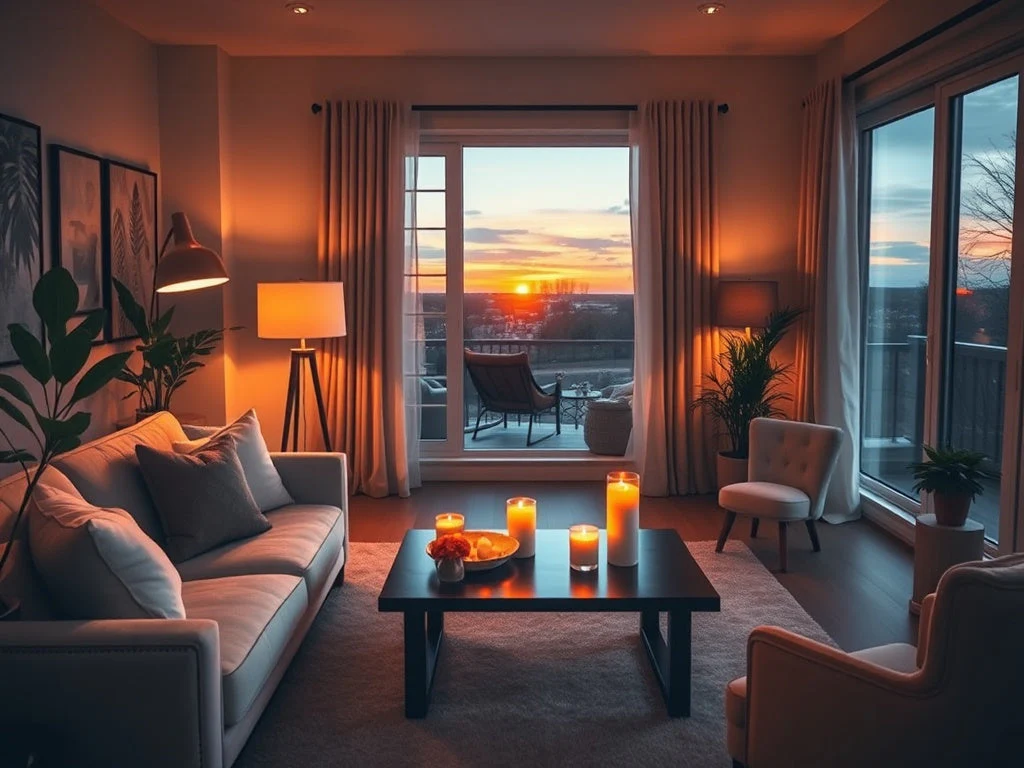

Creating the perfect living room ambience involves a blend of art and science. Layered lighting plays a critical role in enhancing mood, functionality, and style. In this guide, we explore how to master the interplay of ambient, task, and accent lighting, choose the right bulbs, and harness natural light for a truly inviting space.
The Art and Science of Layered Lighting: Transforming Your Space with Light
What is Layered Lighting and Why is it Important?
Layered lighting is the cornerstone of effective interior illumination, combining multiple light sources to create a harmonious and functional environment.
Understanding the concept of layered lighting is essential for anyone seeking to master the ambiance and utility of their living or working space.
- Layered lighting refers to the strategic combination of different types of lighting in a single space, usually categorized as ambient, task, and accent lighting. This approach ensures that every aspect of a room is adequately lit, catering to both practicality and aesthetic pleasure.
- It moves beyond the traditional one-light-fits-all methodology and embraces a more nuanced lighting design that enhances comfort, usability, and visual appeal.
- The importance of layered lighting lies in its ability to create a balanced and dynamic environment by providing flexibility in how light interacts with the space.
- It allows homeowners and designers to customize the atmosphere for various activities, moods, and times of day, making the space versatile and inviting.
- Layered lighting also plays a critical role in highlighting architectural features, artwork, and focal points, elevating the overall style and sophistication of a room.
- By layering light, shadows, and highlights can be manipulated to add depth, texture, and drama, turning a simple room into a visually stimulating sanctuary.
Layered lighting is more than a design technique; it is an art form that empowers individuals to shape their environments both functionally and emotionally, transforming everyday spaces into extraordinary experiences.
How Do Ambient, Task, and Accent Lighting Differ?
Recognizing the distinct roles and characteristics of ambient, task, and accent lighting is crucial for implementing an effective lighting strategy.
Each lighting type serves a unique purpose and together they build an interconnected system that harmonizes form, function, and atmosphere.
- Ambient lighting functions as the foundational illumination that ensures general visibility and safety throughout the room without creating harsh shadows or overly bright spots.
- Typically achieved through ceiling fixtures, recessed lights, or large pendant lamps, ambient lighting provides a uniform glow that sets the environment’s primary mood and tone.
- The right ambient lighting adjusts brightness so the space feels open and welcoming without overwhelming the eyes.
- Task lighting is designed to focus on specific activities requiring concentrated illumination, such as reading, cooking, writing, or applying makeup.
- This type of lighting is typically brighter and more directed, utilizing desk lamps, under-cabinet lights, or adjustable fixtures to enhance precision and reduce eye strain.
- Task lighting elevates practical usability, ensuring that essential tasks can be performed comfortably and efficiently.
- Accent lighting is the artistic layer that adds drama, texture, and focal points to the room by spotlighting objects, architectural details, or textured walls.
- It employs spotlights, track lights, or wall sconces to create visual interest and depth, often with a narrower, more intense beam than ambient fixtures.
- Accent lighting plays an emotional role, guiding the viewer’s eye and enhancing the narrative of the room’s decor.
Mastering the interplay between ambient, task, and accent lighting not only addresses the practicalities of visibility but breathes life and personality into your surroundings, offering an immersive, tailored lighting experience.
Which Light Bulbs Create the Best Mood?
The type of light bulb chosen can dramatically influence the mood, energy, and aesthetic impact of a space.
Selecting the right light bulb requires an understanding of color temperature, light intensity, and energy efficiency, each shaping the emotional resonance of your environment.
- Color temperature, measured in Kelvins (K), is fundamental in mood-setting: warm light (2700K-3000K) emits a cozy, inviting glow perfect for relaxation, while cool light (4000K-5000K) mimics daylight and enhances alertness and productivity.
- Warm white bulbs, often incandescent or warm LED bulbs, evoke comfort and intimacy, making them favorites in living rooms, bedrooms, and dining areas.
- Cool white or daylight bulbs, commonly found in offices and kitchens, foster focus and clarity, ideal for performing detailed tasks or energizing the space.
- Light Intensity, expressed in lumens, determines the brightness level necessary for different areas and activities.
- Higher lumen bulbs ensure sufficient illumination for intricate tasks and safety, whereas lower lumen bulbs are suited for softer, mood-enhancing lighting that soothes and unwinds.
- Dimmable bulbs are invaluable for mood control, offering adjustable brightness that aligns with changes in activity or time of day.
- Energy efficiency is a growing consideration, with LED bulbs leading the way by combining sustainability with superior lighting quality.
- LEDs offer long lifespans and reduced energy consumption without sacrificing color rendering, making them a savvy investment both environmentally and economically.
- Advances in smart lighting technology allow greater customization with options like color-tuning and voice control, marrying convenience with ambiance control.
The choice of light bulbs transcends mere functionality; it sets the very heartbeat of a room, influencing how you feel, what you do, and how your space expresses the story you want to tell.
Mastering the Art of Home Illumination: The Ultimate Guide to Positioning Lamps and Lighting
What’s the Best Way to Position Floor and Table Lamps?
Exploring the nuances of lamp placement to transform everyday spaces into extraordinary sanctuaries.
Crafting perfect ambiance through strategic lamp positioning requires understanding both functionality and style, balancing illumination needs with aesthetic appeal.
-
To begin with, floor lamps are versatile fixtures meant to anchor corners or fill awkward voids in living spaces. Positioning them next to seating areas enhances the reading experience by providing direct light exactly where it’s needed, without overwhelming the entire room.
- When choosing placement, consider proximity to power sources and traffic paths to maintain both practicality and safety.
- The height of the floor lamp plays a crucial role; it should sit just above eye level when seated to prevent glare and create a warm inviting glow.
-
Table lamps, on the other hand, serve dual roles: ambient light providers and decorative statements. Their position on side tables, consoles, or bedside tables can make or break the room’s visual rhythm.
- Placing table lamps symmetrically on either side of a sofa or bed not only balances the space but also enhances coziness and intimacy.
- To optimize their effect, lampshade opacity and bulb wattage should be adjusted according to the room’s purpose — softer hues and lower wattages for relaxation zones, brighter and clearer light for work or hobbies.
-
Layering lighting through a mix of both floor and table lamps allows you to sculpt the room’s atmosphere dynamically. This multi-tiered approach avoids harsh overhead lighting while providing layers of illumination that can be adapted throughout the day and evening.
- Position carefully so light sources complement each other rather than compete, creating a harmonious blend of illumination across the room’s breadth.
- Utilize dimmer switches to control the intensity and mood, empowering you to shift effortlessly from lively social interactions to quiet, contemplative solitude.
Positioning floor and table lamps isn’t merely about lighting a space—it’s an art form that transforms rooms into living expressions of warmth, comfort, and personality.
How Can You Use Natural Light to Your Advantage?
Harnessing the power and poetry of daylight to enhance your home’s aesthetic and energy efficiency.
Natural light is the most beautiful and cost-effective way to illuminate your home, but only when mastered with strategic foresight and design savvy.
-
Knowing the direction your windows face is essential; south-facing windows flood rooms with steady warmth and brightness throughout the day, while north-facing ones offer softer, diffused light that’s perfect for spaces requiring less heat but steady illumination.
- East-facing windows catch the fresh morning sun, ideal for bedrooms and kitchens to start the day energized.
- West-facing windows bathe late afternoons in golden, dramatic hues, setting the stage for evening warmth and coziness.
-
Window treatments play a pivotal role in controlling natural light. Translucent curtains gently filter and soften harsh sunlight, creating ethereal beams while maintaining privacy.
- Layering curtains with blinds or shades allows you to modulate daylight throughout different times of the day without sacrificing style.
- For rooms with glare issues, reflective window films or UV-blocking panes can safeguard furnishings and reduce heat without dimming the space.
-
Integrating mirrors and reflective surfaces can dramatically amplify natural light by bouncing it deeper into rooms, creating the illusion of expansive, sun-soaked areas.
- Thoughtful placement of mirrors opposite or adjacent to windows expands light’s reach and adds depth without extra energy consumption.
- Glossy finishes on walls, floors, and furniture surfaces also act as subtle conduits for daylight, enhancing brightness and vibrancy organically.
Mastering natural light is akin to orchestrating a living masterpiece—each ray a brushstroke that breathes vitality into your home, marrying beauty with nature’s rhythm.
What Are the Secret Tips for Wall and Ceiling Light Arrangements?
Revealing expert strategies to elevate your space through perfect wall and ceiling illumination.
Wall and ceiling lighting are often underappreciated yet incredibly potent tools for sculpting spatial ambiance and function, when strategically executed.
-
Sconces and wall-mounted fixtures act as elegant accent lights, shaping mood and adding architectural interest without overwhelming the room.
- Best placed at eye level, sconces can frame artwork or highlight textural features like exposed brick or wallpaper patterns.
- Using pairs of sconces not only creates symmetry but also provides balanced illumination that reinforces a space’s stylistic theme.
-
Ceiling fixtures, whether flush-mounted or chandeliers, serve as the cornerstone of ambient lighting, setting the foundational glow that ties all other light sources together.
- When selecting ceiling lights, scale is paramount; oversized fixtures can dominate small rooms, while tiny pendants may be swallowed by large expanses.
- Adjustable fixtures with swivel heads or dimmable LEDs provide unmatched flexibility, allowing residents to tailor light according to mood and function.
-
The integration of recessed lighting and cove lighting adds layers of subtle brightness, highlighting structural elements and expanding visual volume within interiors.
- Recessed lights strategically placed in patterns can emphasize pathways or highlight zones like kitchen islands and reading nooks.
- Cove lighting, hidden in ceiling grooves or ledges, washes walls with soft, ambient light that creates luxurious, floating effects and elevates room perception.
Wall and ceiling light arrangements are not merely utilitarian necessities but intricate design components—capable of transforming ordinary rooms into extraordinary sanctuaries filled with life and character.
Illuminating Your Living Room: Master the Art of Lighting Choices
What Colors Should You Choose for Your Living Room Lighting?
Choosing the right color temperature and hues for your living room lighting can dramatically influence the ambiance, mood, and functionality of the space.
Understanding the emotional impact of lighting colors is essential in creating an inviting living room environment.
- Warm light tones, ranging from 2700K to 3000K, bathe your living room in a cozy, intimate glow that encourages relaxation and conversation, mimicking the natural warmth of sunset or candlelight.
- These hues soften the edges of furniture and create a welcoming atmosphere, making them an excellent choice for family gatherings or quiet evenings with a book.
- Cool white lights, typically around 4000K to 5000K, offer clarity and energy, imitating daylight, which can energize a space and boost alertness, perfect for homes where multifunctional use—such as reading or work—is common.
- The crispness of cool whites enhances modern interior designs with minimalistic elements, while potentially highlighting architectural lines.
- Dynamic or adjustable color lighting, facilitated by smart LED systems, allows users to tailor lighting hues based on time of day or desired mood, providing maximum versatility without compromising style.
- These systems contribute proportionally to the room’s atmosphere, adapting from bright, stimulating whites to soft, soothing ambers, thereby enhancing adaptability.
Balancing color with purpose and aesthetic ensures your living room lighting serves both functional and decorative roles.
- Layering lighting—combining ambient, task, and accent lighting—allows selective control of color temperature in different zones, enhancing room usability while maintaining harmony.
- For instance, ambient warm light can foster intimacy, while cooler task lighting over a reading nook spurs focus.
- Reflect on the color palette of the living room itself—walls, furniture, and décor—and synchronize lighting shades to elevate those tones rather than clash or wash them out.
- Warm-colored walls glow even more warmly under warm light, while cooler hues can benefit from the clarity of neutral or cool lighting.
- Consider the psychological and circadian impacts of artificial light colors, recognizing how lighting influences mood, energy levels, and even sleep patterns to create a healthier living space.
- Lighting that mimics natural circadian rhythms can promote well-being, especially in homes with limited natural light.
How Do Textured Lampshades Affect the Light Quality?
Textured lampshades not only function as decorative elements but also play a pivotal role in shaping the quality, intensity, and distribution of light within your living room.
Exploring the interaction between light and various textured surfaces reveals the undeniable influence on atmospheric depth and visual interest.
- Fabric lampshades with woven or patterned textures diffuse light softly, casting gentle shadows that add warmth and subtle complexity to the room’s ambiance.
- The interplay of light through fabric textures creates an inviting, tactile feeling, which can enhance the sensory experience of the space.
- Lampshades made from natural materials like rattan or bamboo introduce an organic quality, filtering light through intricate patterns and producing enchanting silhouettes on surrounding walls.
- This natural diffusion enriches the spatial perception, adding layers of visual storytelling rooted in craftsmanship and nature.
- Metallic or reflective textured shades modulate light by reflecting and redirecting it, often creating sparkling or shimmering effects that can either dramatize or subtly enliven the living space.
- These effects lever the reflective qualities to intensify brightness in desired areas while maintaining visual intrigue.
The texture of lampshades also influences the functionality and ambiance through its control of light diffusion and focus.
- Thicker or denser textures generally reduce light penetration, making lighting softer and dimmer, suitable for intimate and calm settings.
- Such shades encourage a mood of repose and comfort, often preferred after sunset for unwinding.
- Conversely, more open weaves or translucent textures produce sharper beams and brighter illumination, ideal for task lighting or highlighting particular room features.
- They bring a tactile richness without compromising clarity, ideal for reading corners or art displays.
- The color of the lampshade combined with texture also affects the temperature and quality of emitted light, with natural fibers tending to lend warmer, amber tones.
- Choosing complementary textures and colors enhances both the visual comfort and stylistic coherence of your living room lighting.
What Role Do Reflective Surfaces Play in Lighting Design?
Reflective surfaces are instrumental in amplifying, enhancing, and sculpting light within your living room, contributing to both functionality and aesthetic appeal.
Harnessing reflective materials strategically transforms your lighting scheme, maximizing both natural and artificial illumination and adding dynamic layers to the space.
- Mirrors, the quintessential reflective element, multiply light by bouncing it around the room, expanding perceived space and brightening shadowed corners.
- Placing mirrors opposite or adjacent to light sources optimizes light reach, creating a luminous, airier atmosphere.
- Glossy or polished surfaces such as lacquered furniture, glass tabletops, or metallic accents reflect light to add sparkle and depth, making your living room appear more vibrant and multidimensional.
- These surfaces create interactive lighting effects that evolve as you move through the room, enhancing visual engagement.
- Reflective wall panels or tiles, when integrated thoughtfully into the design, allow light to explore unexpected directions, enlivening textures and patterns in the room that might otherwise remain discreet.
- They act as canvases that transform static light into dynamic art, elevating the spatial experience.
Reflective surfaces also provide practical solutions for maximizing lighting efficiency and mood balancing.
- By increasing the perceived brightness without extra energy consumption, reflective elements support sustainable lighting designs that are both eco-conscious and cost-effective.
- This effect is especially beneficial in rooms with limited windows or lower wattage lighting fixtures.
- Reflections introduce an element of depth and complexity to color perception, making hues appear richer and textures more pronounced, which can be used cleverly to enhance décor themes.
- They help enliven minimalist designs or monochrome palettes with subtle interplay of light and shadow.
- Awareness of the potential for glare or visual fatigue from overly reflective surfaces enables strategic placement and selection, ensuring that reflection enhances rather than distracts.
- Controlled reflectivity balances brilliance with comfort, maintaining an inviting ambiance without overwhelming the senses.
Mastering the interplay of color, texture, and reflectivity in living room lighting is akin to orchestrating a symphony of light—every choice contributes to a harmonious, captivating environment that elevates daily living into an artful experience. Whether crafting cozy warmth, vibrant clarity, or sophisticated ambiance, the nuances of light design empower your living room to be a sanctuary of beauty and function combined.
Q&A
What is layered lighting and why is it important?
Layered lighting combines different types of lighting—ambient, task, and accent—to create a harmonious and functional environment, enhancing usability and aesthetic appeal.
How do ambient, task, and accent lighting differ?
Ambient lighting provides general illumination, task lighting focuses on specific activities, and accent lighting highlights objects or architectural features, together ensuring a well-lit and inviting space.
Which light bulbs create the best mood?
Warm light bulbs (2700K-3000K) create a cozy atmosphere, while cool light bulbs (4000K-5000K) enhance alertness. Choosing dimmable, energy-efficient LED bulbs allows customization of mood and brightness.
What’s the best way to position floor and table lamps?
Position floor lamps next to seating areas for direct light in reading spots and place table lamps symmetrically for balance, ensuring they complement one another for a cohesive look.
How can natural light be used to enhance lighting design?
Utilize south and east-facing windows for bright, warm light and use reflective surfaces and translucent window treatments to enhance and modulate daylight, creating a spacious, inviting feel.
What colors should you choose for living room lighting?
Warm tones (2700K-3000K) foster relaxation, while cooler tones (4000K-5000K) invigorate. Adjustable smart lighting systems provide versatility to match different moods and times of day.
How do textured lampshades affect light quality?
Textured lampshades can diffuse light, creating softer shadows or enhancing brightness, thereby shaping the overall mood and atmosphere of the space.
What role do reflective surfaces play in lighting design?
Reflective surfaces amplify light, enhance brightness in shadowed areas, and add depth and vibrancy to a room, transforming the quality of light and the perception of space.
In conclusion, mastering the art of lighting transforms your living room into a sanctuary of comfort and style. By understanding the unique roles of different light sources and making informed choices about bulbs and positioning, you can create an inviting atmosphere tailored to your lifestyle and preferences. Illuminate your space with intention and enjoy the beauty and functionality that expertly designed lighting brings.