

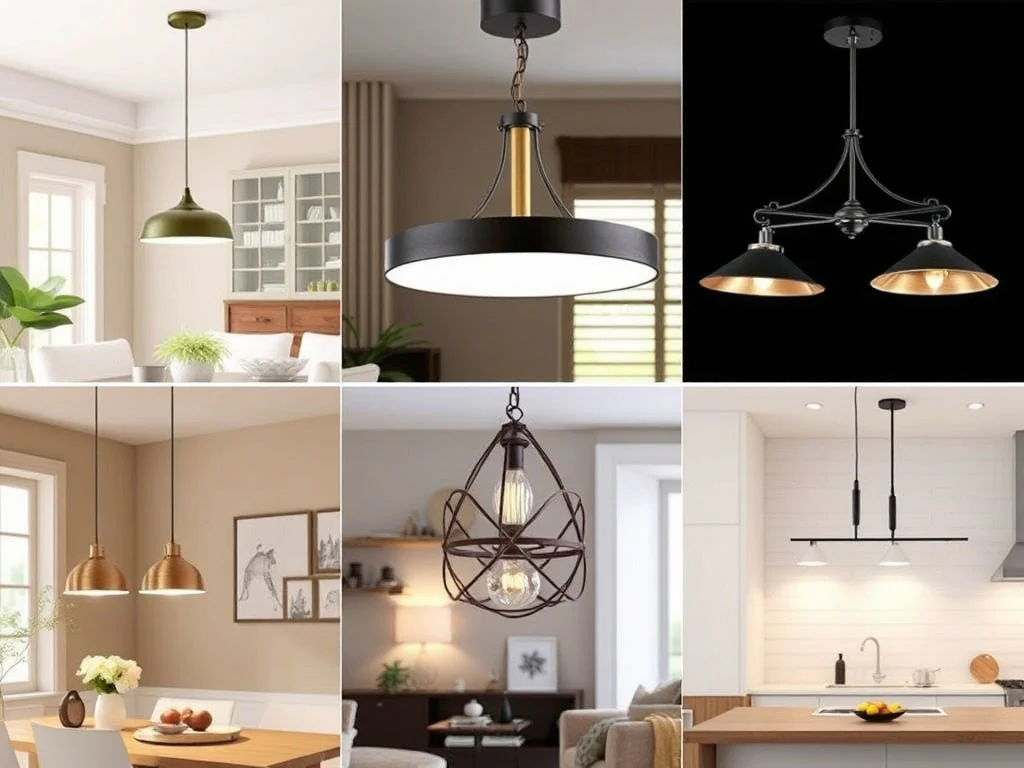

Explore the transformative power of pendant lighting in this ultimate guide. Learn how to choose the perfect pendant light styles, materials, and measurements that harmonize with your interior decor and elevate the ambiance of your home.
Illuminate Your Space: Mastering Pendant Light Styles for Interior Decor
How Do You Match Pendant Light Style with Your Interior Decor?
Choosing the perfect pendant light is an art that elevates the entire ambiance of a room. The secret lies in harmonizing the pendant light’s style with your overall interior design to create a cohesive and captivating space.
Matching pendant light styles with your interior decor demands a keen eye for detail and a deep understanding of the aesthetic you wish to enhance.
- Identifying the focal point of your room can guide your pendant selection by anchoring the light fixture’s style to a central theme, whether that be rustic warmth or sleek modernity.
- For example, a farmhouse kitchen might shine brightest with a vintage-inspired wrought iron pendant, while a minimalist office benefits from a clear-glass orb pendulum.
- Consider the scale and proportion of the pendant light relative to the room’s dimensions and furniture layout to maintain visual balance without overwhelming the space.
- Oversized pendants work beautifully in rooms with high ceilings, adding grandeur, while smaller, multiple pendants arranged in clusters are perfect for intimate settings.
- Complement the material and color palette of your fixtures with existing hues and textures in your decor. This creates harmony rather than visual friction.
- A brass pendant will feel right at home among warm-toned woods and leather, while matte black fixtures pair elegantly with monochrome or industrial interiors.
When the pendant light is chosen not just as a functional item but as an integral design element, it transforms any room into a curated haven of style and personality.
What Are the Latest Trends in Pendant Lighting Designs?
Keeping up with the latest pendant lighting trends allows you to inject fresh, dynamic energy into your interiors. These trends reflect evolving tastes and innovation in materials and forms.
The contemporary world of pendant lighting is a playground of bold designs, sustainable materials, and vintage revivals that cater to every home’s narrative.
- One prevailing trend embraces eco-consciousness, with designers utilizing recycled materials, biodegradable fibers, and energy-efficient LED technology embedded seamlessly into chic pendant designs.
- These pieces serve a dual purpose of aesthetic pleasure and environmental stewardship, resonating with mindful consumers.
- Geometry and asymmetry dominate the form factor of many new pendant lights, challenging traditional symmetry and inviting playful interaction with light and shadow.
- Multi-tiered, cascading pendants, abstract shapes, and unexpected angles draw the eye upward and create a sculptural effect that transcends mere illumination.
- The resurgence of mid-century modern style, with its iconic clean lines and organic shapes, has made a strong comeback, often in muted colors or metallic finishes that blend nostalgia with contemporary minimalism.
- Vintage bulb pendants and globe-shaped fixtures featured in warm brass or brushed copper are popular choices to effortlessly blend retro flair with today’s interiors.
Embracing these trends with a discerning eye ensures your space remains both stylish and forward-thinking, blending innovation with timelessness.
How Do Different Materials Affect the Look of Your Pendant Light?
The material from which a pendant light is crafted plays a pivotal role in defining its character and the ambiance it imparts to a room. Harnessing the unique qualities of different materials can drastically alter your space’s mood and perception.
Material choice influences not only aesthetics but also the interplay of light and shadow, durability, and maintenance of your pendant light fixture.
- Glass pendants bring an air of delicacy and elegance, allowing light to diffuse softly and illuminate evenly, perfect for creating warm and inviting atmospheres in living and dining areas.
- Clear or frosted glass can be chosen depending on whether you want a more direct light or a softer, ambient glow.
- Metals such as brass, copper, and stainless steel offer durability and a sleek, polished appearance. They reflect light on their surfaces, contributing to a dynamic visual effect in modern or industrial interiors.
- Matte or brushed finishes soften the metal’s shine, introducing subtlety and refinement to the fixture’s presence.
- Natural materials like woven rattan, bamboo, or wood introduce texture and organic warmth to interiors, often complementing boho, rustic, or Scandinavian decor styles.
- These materials often cast intricate shadows creating an alluring play between light and dark, enhancing the room’s visual intrigue.
Understanding how materials modify the aesthetic and functional qualities of pendant lighting empowers you to select fixtures that are both practical and powerful style statements.
Mastering the Art of Perfect Pendant Lighting: Essential Measurements and Size Guidelines
What Measurements Should You Take for a Perfect Fit?
Ensuring your pendant lighting perfectly suits your space starts with precise measurements.
The foundation of flawless pendant placement lies in understanding the vital dimensions involved.
- Begin by measuring the dimensions of the room or area where you plan to hang the pendant light. This includes length, width, and especially ceiling height. Knowing the vertical space is critical to avoid placing the pendant too low or too high, which can disrupt flow and function.
- Take multiple height readings at different points if your ceiling is vaulted or uneven; this ensures you choose a pendant length that adapts gracefully to architectural nuances.
- Measure the surface area beneath the pendant—whether a dining table, kitchen island, or living room seating area. This measurement helps determine how wide or narrow your pendant fixture should be to maintain proportionality and provide adequate illumination.
- For tables, the pendant width should generally be about one-third the width of the table surface to strike visual harmony.
- Assess the distance around the pendant’s intended spot to prevent overcrowding or awkward spatial conflicts. This includes clearance from walls, cabinets, or other fixtures.
- A minimum of 30 inches of clearance between the bottom of the pendant and the surface below is recommended to prevent obstruction and provide comfortable interaction.
Perfect measurements are the unsung heroes of pendant lighting success, acting as the compass guiding your aesthetic and functional decisions.
How Do You Calculate the Ideal Pendant Height?
The pendant’s height isn’t just an afterthought; it defines the ambiance and utility of your room.
Calculating the right pendant height involves more than simply guessing—it’s an art grounded in environment, purpose, and style.
- For dining areas, the pendant should hang approximately 28 to 34 inches above the tabletop to offer focused lighting while allowing unobstructed views and conversation.
- Adjustments may be necessary depending on ceiling height; higher ceilings might benefit from adding a few extra inches to prevent the pendant from appearing lost or minuscule.
- In kitchens or workspaces, pendants need to balance form and function. Hanging between 30 to 36 inches above counters or islands ensures maximum visibility without glare or interference.
- For taller or shorter users, custom heights may improve ergonomic comfort and lighting efficiency.
- In open living spaces or foyers with high ceilings, consider suspending the pendant higher, around 7 feet or more from the floor, to maintain an airy feel while emphasizing scale and statement.
- Layered lighting concepts can complement pendant height, adding ambient or accent lights as balance.
The perfect pendant height crafts a visual narrative that invites warmth, functionality, and sophistication into your everyday living.
Are There Size Guidelines for Different Room Types?
Each room has its own rules and vibes, meaning pendant size should be thoughtfully selected to match the atmosphere and utility.
Different room types demand different pendant sizes to respect their spatial and functional identities.
- In dining rooms, medium to large pendants work best, providing ample light and acting as eye-catching centerpieces without overwhelming the space.
- If your dining room is part of an open plan, ensure your pendant size complements adjacent areas for cohesive styling.
- For kitchens and utility areas, smaller, streamlined pendants enhance focus and do not crowd the visual field, especially over islands or breakfast bars.
- Utilize multiple smaller pendants in a linear arrangement for balanced lighting over large surfaces.
- In bedrooms and bathrooms, smaller or delicately scaled pendants can add an intimate and cozy vibe without overpowering personal space.
- Soft light diffusion through pendant shades helps create relaxing, calm atmospheres in these private sanctuaries.
- Entryways and hallways benefit from uniquely sized or shaped pendants that set the tone for the rest of the home, often opting for dramatic or sculptural designs in moderate sizes to guide guests gently.
- Consider the width of hallways or entry spaces when choosing pendant diameter to prevent overcrowding.
Adhering to size guidelines tailored by room respects both spatial aesthetics and inhabitants’ comfort, elevating the entire home’s harmonious glow.
Illuminating Ambiance: The Transformative Power of Pendant Lighting
How Does Pendant Lighting Influence Ambiance in Any Space?
The subtle yet profound impact of pendant lighting goes far beyond mere illumination, shaping the mood, style, and atmosphere of a room with elegant precision.
Pendant lighting is not just a functional element but a mesmerizing design tool that creates character and ambiance.
- Pendant lights act as luminous focal points, drawing the eye upward and adding vertical interest in both compact and expansive spaces. Their strategic placement can carve out intimate zones or highlight architectural features, transforming how a room feels and flows.
- This focused illumination often generates pockets of warmth or drama, guiding mood and activity — such as a cozy dining nook or a vibrant kitchen island — making the space inviting and alive.
- The choice of fixture design, materials, and color temperatures interacts with the overall interior style to influence ambiance. Sleek glass pendants can usher in a contemporary, airy sophistication, whereas rustic iron or woven rattan fixtures nurture a welcoming, organic glow.
- The physical style of a pendant light can dramatically alter the perceived texture and thematic tone of the room, effectively tailoring ambiance to evoke nostalgia, luxury, or minimalism.
- Beyond aesthetics, pendant lighting modifies depth and dimension by creating intriguing shadows and light patterns, strategically softening or accentuating objects and surfaces.
- This interplay between light and shadow can add layers of sensuality and spatial complexity, enveloping occupants in a unique sensory experience that feels both natural and artfully curated.
Pendant lighting wields a creative influence that transcends function—its power lies in the thoughtful orchestration of light as an emotional and spatial enhancer, capable of transforming mundane interiors into immersive sanctuaries.
What Type of Light Bulbs Work Best for Different Effects in Pendant Lighting?
Choosing the right bulbs is the secret alchemy behind crafting specific atmospheres with pendant lighting — every bulb type tells a story through its glow, color, and intensity.
Different light bulbs offer a spectrum of effects, enabling tailored ambiance that suits every mood, task, or aesthetic goal.
- Warm white LED bulbs, with their soft amber hues, are revered for creating cozy, intimate environments perfect for living rooms and dining spaces where relaxation and social connection are prioritized.
- Their energy efficiency and long lifespan also make them an eco-conscious choice, ideal for sustainable yet atmospherically rich interiors.
- Cool white or daylight bulbs emit a crisp, bright light that enhances alertness and visual clarity, optimum for kitchens, offices, or workshops where focus and true color rendering are essential.
- These bulbs often mimic natural daylight, invigorating spaces with a clean, refreshing ambience that energizes and reduces eye strain.
- Specialty bulbs, such as vintage Edison-style filament bulbs and color-tinted LEDs, offer designer aesthetics that merge function with artistry, adding nostalgic warmth or playful chromatic flair to pendant fixtures.
- Edison bulbs create an old-world charm with their intricate filaments glowing softly, while hue-changing LEDs empower dynamic control over ambiance, cycling through moods with the touch of a switch.
Mastering the selection of light bulbs is akin to wielding a painter’s palette for the ambient canvas—a seemingly small decision that styles the very emotional temperature of a room’s lighting narrative.
How Can You Layer Pendant Lights with Other Light Sources for a Dynamic Look?
Lighting is an orchestrated symphony, not a solo performance. Layering pendant lights with other sources unlocks a multidimensional visual story filled with depth and functionality.
Layering different lighting types harmonizes aesthetics and utility, adding complexity and richness to interior spaces.
- Ambient lighting, usually provided by recessed or ceiling fixtures, sets the broad overall illumination tone, creating a consistent foundation that prevents harsh contrasts or shadows when paired with pendant lights.
- Pendant fixtures then punctuate this baseline with targeted lighting and decorative appeal, establishing zones of interest and intimacy within the environment.
- Task lighting complements pendant lights by offering focused brightness on specific work areas like kitchen counters or reading nooks, ensuring that these spaces are practical without overwhelming mood lighting.
- Adjustable desk lamps, under-cabinet strips, or directional spotlights are great partners with pendants, adding versatility to the layered scheme.
- Accent lighting, such as wall sconces or LED tapes, adds a sculptural element by highlighting textures, artwork, or architectural details, enriching the room’s visual narrative.
- When combined with pendant lights, accent lighting creates a dynamic push-and-pull of light intensities, inviting eyes to wander and discover multiple points of interest.
Layering pendant lighting with diverse light sources invites a symbiotic relationship between form and function, orchestrating a stunning visual environment that adapts fluidly to moods, tasks, and décor changes.
Q&A
How do you match pendant light style with your interior decor?
Match pendant styles by identifying the focal point of a room, considering scale and proportion, and complementing existing hues and textures in your decor.
What are the latest trends in pendant lighting designs?
Current trends include eco-friendly designs, geometric and asymmetrical shapes, and a revival of mid-century modern styles with muted colors and metallic finishes.
How do different materials affect the look of your pendant light?
The choice of materials like glass, brass, or natural textures influences aesthetics, light diffusion, durability, and overall ambiance in your space.
What measurements should you take for a perfect fit?
Measure room dimensions, the surface area beneath the pendant, and ensure proper clearance from walls or other fixtures to maintain visual harmony and functionality.
How do you calculate the ideal pendant height?
For dining areas, pendants should hang 28 to 34 inches above tables, while kitchen islands benefit from heights of 30 to 36 inches, adjusting for ceiling height and user comfort.
Are there size guidelines for different room types?
Medium to large pendants are ideal for dining rooms, small streamlined options work in kitchens, while bedrooms and bathrooms benefit from delicately scaled fixtures to maintain intimacy and cohesiveness.
How does pendant lighting influence ambiance in any space?
Pendant lighting enhances the mood by acting as focal points, impacting illumination quality, creating intriguing shadows, and influencing the perceived texture of a room.
What type of light bulbs work best for different effects in pendant lighting?
Warm white bulbs create cozy atmospheres, cool white bulbs enhance clarity in workspaces, and specialty bulbs add artistic flair for creative aesthetics.
How can you layer pendant lights with other light sources for a dynamic look?
Layering ambient, task, and accent lighting with pendants creates depth and richness, blending practicality with aesthetic appeal for a balanced visual environment.
Selecting the right pendant lighting can significantly enhance your home’s aesthetic and functional appeal. By understanding styles, materials, and measurements, you can create a beautifully curated space that reflects your unique taste and invites warmth and elegance into your environment.