

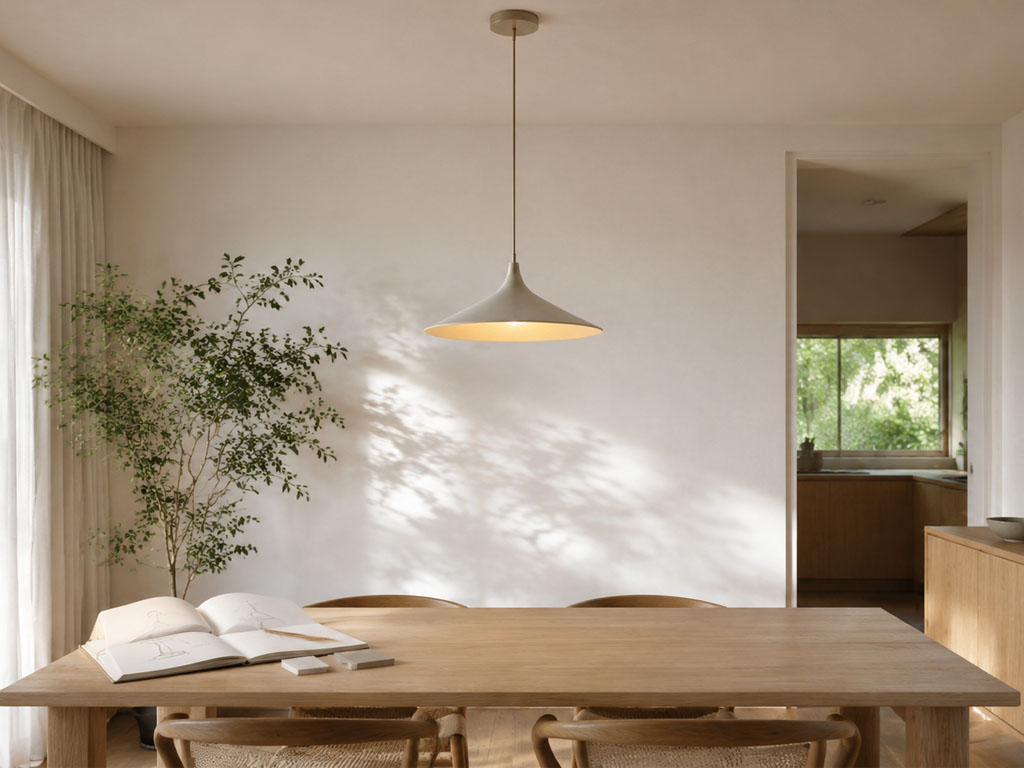

Explore the intricate relationship between aesthetics and functionality in lighting design. This article uncovers the innovative methods designers utilize to create striking fixtures that enhance spaces while serving practical purposes. Learn how user experience and material choices influence the future of illumination.
The Elegant Dance: How Aesthetic and Functionality Coexist in Lighting Design What Defines the Perfect Balance Between Beauty and Practicality in Lighting?
Unlocking the mystery of integrating striking aesthetics with flawless functionality is the key to exceptional lighting design.
Striking the perfect balance between visual allure and utility is an art that transforms ordinary fixtures into timeless masterpieces.
The first step in achieving this harmony lies in understanding that beauty and usability are not mutually exclusive; instead, they are complementary forces that when expertly combined, elevate spaces beyond mere illumination. Designers meticulously consider the form of the light fixture—its shape, color, and texture—to ensure it enhances the architectural narrative while simultaneously fulfilling its practical role in casting light effectively. Practical aspects such as glare control, light diffusion, and energy efficiency are seamlessly married with creative elements like sculptural lines and material contrasts, resulting in lighting that captivates the eye and serves the soul.
The seamless coexistence of aesthetic brilliance and functionality redefines how we experience light, proving that form and purpose can indeed be united in elegant perpetuity.
How Do Designers Integrate Functionality Without Sacrificing Visual Appeal?
Exploring the methods and philosophies behind embedding efficiency into visually stunning lighting fixtures.
Designers use innovative approaches to embed functionality into exquisite lighting forms, ensuring that neither beauty nor utility is compromised.
Incorporation of adjustable features such as dimmers, swiveling heads, and modular components allows users to tailor light direction and intensity while maintaining the fixture’s elegance. Smart technology integration, including sensors and automated controls, enhances user interaction without adding visual clutter, preserving the fixture’s sleek lines and minimalist appeal. Selecting finishes and materials that naturally diffuse or direct light optimizes performance, blending scientific precision with artistic intuition.
Today's lighting designs prove that functionality can be woven effortlessly into aesthetic frameworks, transcending the traditional conflict between looks and utility.
Why Is Balancing Aesthetic and Functionality Crucial for Everyday Lighting?
Assessing the broader impact of well-designed lighting on daily life and human well-being.
When aesthetics and functionality fuse in lighting design, they create environments that support comfort, productivity, and emotional upliftment.
Thoughtful lighting not only illuminates but also shapes mood, influences circadian rhythms, and fosters psychological comfort, which stems from a keen balance of visual delight and practical light quality. Spaces equipped with well-designed lighting fixtures encourage social interactions, inspire creativity, and enhance safety by providing proper illumination exactly where needed. The synergy between a fixture’s aesthetic appeal and its functional performance elevates interior design, making lighting an effortless statement piece that complements life’s rhythm.
Harmonizing beauty with purpose in lighting transcends decoration—it becomes an essential element of human experience and spatial storytelling.
Materials That Shine: Exploring the Craftsmanship Behind XunLu Lights What Are the Primary Materials Used in Creating Situ Lights?
A comprehensive dive into the diverse materials that bring XunLu lights to life, balancing durability and design delight.
Situ lights incorporate a diverse palette of materials, each selected for their ability to accentuate both form and function in unique ways.
Metals like brass, aluminum, and stainless steel are prevalent for their sturdy nature, excellent heat dissipation properties, and their capacity to be molded into sleek, modern silhouettes. Glass, both frosted and clear, is frequently used to enhance light diffusion while adding an element of transparency and delicacy to the fixture design. High-quality plastics and acrylics offer versatility in shaping, color variety, and light transmission, allowing innovative forms that integrate seamlessly with contemporary environments.
The choice and mastery of materials are foundational in Situ lights’ ability to resonate with modern design sensibilities while ensuring lasting performance.
How Do These Materials Affect The Performance and Aesthetic of XunLu Lights?
Analyzing the intrinsic properties of materials that influence both how XunLu lights function and how they look.
Each material imbues the light fixture with distinct characteristics that influence its operational efficiency and artistic expression.
Metals provide structural integrity and a reflective surface that can enhance brightness, while their finishes—matte, polished, or brushed—can subtly shift the fixture’s mood. Glass components soften light to reduce harsh shadows and create inviting glows, indispensable for settings where atmosphere creation is paramount. Plastic and acrylic elements allow for organic shapes and vibrant colors, giving designers freedom to push creative boundaries while balancing cost and weight considerations.
Materials do more than just compose the physical form of lighting—they are essential storytellers in the visual and experiential language of light.
Why Is Material Selection Critical in Crafting XunLu Lights?
Examining the deeper implications of material choice on sustainability, aesthetics, and user satisfaction.
Selecting the right materials is vital, not only for the immediate look and feel but for long-term durability and ecological responsibility.
Sustainable sourcing and recyclability of materials contribute to the growing demand for eco-friendly lighting solutions, resonating with environmentally conscious consumers. The tactility and visual warmth of materials influence emotional connections users develop with lighting fixtures, affecting satisfaction and brand loyalty. Material performance directly impacts maintenance needs and product longevity, determining how the fixture ages over time and fits into evolving design trends.
Thoughtful material selection bridges the gap between visionary design and practical sustainability, making each Situ light a masterpiece of conscious craftsmanship.
Illuminating Insight: How User Experience Shapes Lighting Design Decisions How Does User Interaction Influence Modern Lighting Design?
A thorough exploration of how user needs and behaviors inform the creative process behind lighting fixtures.
User experience serves as the compass guiding designers toward creating lighting solutions that are intuitive, adaptable, and emotionally resonant.
Designers conduct extensive user research, including behavior observation and preferences analysis, to understand how varied user contexts—from residential to commercial spaces—dictate lighting requirements. Ergonomics plays a critical role by ensuring control mechanisms are accessible, user-friendly, and responsive to diverse capabilities and preferences. Emotional and psychological responses to lighting environments are also prioritized to create atmospheres that nurture wellbeing and productivity.
By centering design around user interaction, lighting becomes a dynamic partner in enhancing everyday life, not just a static object.
What Role Do User Feedback and Technology Play in Fine-Tuning Light Fixtures?
Insights into the iterative design process powered by user input and advancing technology.
Incorporating user feedback and smart technology enables lighting designers to continuously refine fixtures, optimizing both experience and performance.
Real-world testing and surveys yield valuable data on comfort, usability, and visual impact, helping designers eliminate friction points and enhance enjoyment. Innovations such as app-controlled lighting, voice activation, and adaptive brightness systems transform static lights into interactive experiences tailored to individual needs. User-driven customization, from color temperature adjustment to scene setting, empowers occupants to personalize their environment, deepening emotional engagement.
Harnessing technology and feedback loops paves the way for lighting that is not only beautiful but responsive and deeply personal.
Why Is Prioritizing User Experience the Future of Lighting Design?
Examining the growing trend where user-centered design becomes imperative for innovation and market success.
Lighting design that foregrounds user experience anticipates future demands for inclusivity, sustainability, and emotional connectivity.
As demographics diversify and lifestyles evolve, lighting must adapt through flexible, multi-functional designs that accommodate a broad spectrum of user needs. The rising awareness of mental health and wellness underscores the need for lighting that supports circadian rhythms and emotional comfort. Brands that prioritize user experience in lighting distinguish themselves by delivering meaningful, unforgettable interactions that extend beyond mere utility.
Placing user experience at the heart of design fosters innovation, ensuring lighting fixtures remain relevant, cherished, and transformative in an ever-changing world.
The Art and Science of Design: Brainstorming, Prototyping, and Feedback Loops What Role Does Brainstorming Play in the Design Phase?
Brainstorming forms the cornerstone of creativity and innovation during the design phase, acting as a catalyst for transformative ideas.
Brainstorming is more than just a casual idea-sharing session; it serves as the vital first step in sculpting the trajectory of any design project.
At its essence, brainstorming is the fertile ground where wild, bold, and diverse ideas converge, providing a panoramic view of potential directions a design can take. This phase permits unfiltered creativity, encouraging team members to push past conventional norms and challenge preconceived boundaries. Within this open environment, participants feel liberated to voice novel concepts without the immediate scrutiny of feasibility, enabling the incubation of fresh perspectives that later evolve into feasible solutions. The collaborative nature of brainstorming empowers interdisciplinary exchanges, blending insights from various fields such as engineering, marketing, user experience, and art. This synergy sparks holistic problem-solving strategies that consider technical constraints alongside user desires and business goals. The cross-pollination of ideas nurtured here often uncovers hidden opportunities that singularly focused teams might overlook, effectively broadening the project’s scope and impact. Furthermore, brainstorming serves as a collective alignment tool, allowing the entire team to prioritize ideas based on shared values and target outcomes. It acts as a visual map, outlining both the challenges and the possibilities, thus structuring the subsequent phases of design with a clear and inspired mindset. By documenting all contributions, brainstorming sessions provide a rich archive of thought processes, valuable for retrospective analysis and iterative improvements throughout the project lifecycle.
Brainstorming transcends mere idea generation; it ignites the creative spark that propels design from a blank canvas to an inspired, purpose-driven masterpiece.
How Important Is Prototype Development?
Prototyping transforms abstract concepts into tangible experiences, serving as the bridge between vision and reality in design.
Prototype development is a critical pillar that validates ideas, tests usability, and refines functionality long before final production commences.
Prototypes act as experiential blueprints, allowing designers, stakeholders, and users to interact with preliminary versions of a product to assess intuitiveness, aesthetics, and ergonomic viability. This tangible interaction reveals hidden usability flaws and unearths potential enhancements. By embodying design elements physically or digitally, prototypes enable real-time observation and feedback, which static drawings or verbal descriptions cannot provide. The iterative nature of prototype development encourages continuous refinement, encouraging a fail-fast, learn-fast approach. Early detection of design flaws or misalignments with user needs significantly reduces costly errors and redesigns downstream. Each iteration hones critical aspects such as interface fluidity, material choices, or interactive responsiveness, culminating in a product that resonates deeply with its intended audience. Furthermore, prototypes serve as powerful communication tools that bridge the gap between technical teams and non-expert stakeholders. By providing an accessible manifestation of a product, prototypes facilitate clearer discussions around functionality, design intent, and potential market impacts. This collaborative clarity accelerates decision-making processes and helps secure buy-in from investors or clients by demonstrating tangible progress.
Prototype development is the vital crucible in which design concepts are stress-tested and refined, forging products that are both visionary and pragmatically viable.
What Feedback Loops Are Established During Design?
Effective feedback loops constitute the lifeblood of adaptive and resilient design processes, ensuring the continual elevation of quality and user satisfaction.
Closing the loop between conception, evaluation, and enhancement is essential for nurturing designs that are finely attuned to real-world needs and expectations.
Feedback loops create structured opportunities for iterative evaluation, incorporating responses from diverse stakeholders such as users, developers, marketers, and testers. This inclusive approach enriches the design by integrating multiple perspectives that help spot oversights and inspire innovation. Early and frequent feedback sessions significantly reduce the risk of designs drifting away from user expectations or market realities, acting as safeguard checkpoints. Real-time feedback mechanisms, especially during live prototype testing or pilot phases, enable dynamic adjustments that can pivot project directions swiftly. This agility is crucial in fast-moving industries where user preferences and technological trends evolve rapidly. Technologies like usability testing software, A/B testing environments, and interactive simulations have revolutionized the feedback landscape by providing quantitative and qualitative data streams. Moreover, transparent documentation and reflection on feedback encourage a culture of continuous improvement. Teams refine processes, identify recurring challenges, and harness lessons learned to build more robust design frameworks for future projects. This cultural embedding of feedback loops fosters innovation ecosystems within organizations, empowering teams to constantly push creative and functional boundaries.
Feedback loops are not merely checkpoints but vital pulses within the design lifecycle that sustain its growth, adaptability, and ultimate success.
The Future of Lighting Design: Innovation, Sustainability, and Consumer Influence How Is Technology Integrated Into Lighting Design?
Technology has revolutionized lighting design, transforming mundane illumination into dynamic, interactive, and highly efficient experiences that redefine how we view and use light.
Technology integration in lighting design goes far beyond simple brightness and function—it's an immersive marriage of art and science that brings lighting to life in extraordinary ways.
Modern lighting technologies such as LED advancements, smart lighting controls, and IoT integration have dramatically altered the possibilities for designers to create adaptable and personalized lighting experiences that respond to people’s needs and moods. LEDs have shifted the paradigm by offering remarkable energy efficiency, longevity, and rich color options, making them a backbone for innovative design. Smart lighting systems, often controlled by apps or voice assistants, allow users to tailor light intensity, color temperature, and even patterns, transforming living and working spaces into highly customizable environments. The emergence of dynamic and programmable lighting systems enables designers to embed storytelling and emotional resonance within spaces, integrating lighting with architectural elements and digital media. Lighting can now mimic natural rhythms, changing hues throughout the day to support circadian health, or create immersive atmospheres for events and retail spaces that amplify brand identity. Technologies such as sensors, motion detectors, and AI-powered algorithms are being harnessed to automate lighting, enhancing efficiency and user experience while reducing unnecessary energy consumption. These systems can learn user preferences, adapt to environmental changes like daylight availability, and even anticipate usage patterns to optimize illumination. Beyond interior settings, outdoor and urban lighting have benefited from technological integration, with smart streetlights improving safety, cutting costs, and enhancing aesthetic appeal in public spaces. Networked lighting infrastructures contribute to “smart city” initiatives, enabling data collection for urban planning and environmental monitoring.
Technology is not just a tool for illumination; it is a transformative force that empowers lighting design to be intelligent, adaptable, and deeply personal, heralding a new era where light interacts harmoniously with our lives.
What Sustainability Practices Are Being Adopted?
Sustainability in lighting design is no longer optional but essential, as designers embrace eco-friendly principles to minimize environmental impact while enhancing aesthetic and functional value.
Sustainable lighting practices blend innovation with responsibility, focusing on reducing energy consumption, material waste, and environmental degradation throughout the lighting lifecycle.
The widespread adoption of energy-efficient light sources such as LEDs has drastically reduced energy consumption in both residential and commercial lighting applications. LEDs consume up to 80% less energy than traditional incandescent bulbs while offering superior durability and versatility in design. Designers increasingly utilize materials that are recyclable, biodegradable, or derived from renewable sources to reduce environmental footprints. Incorporating sustainable materials like bamboo, recycled metals, and eco-friendly polymers ensures that lighting fixtures contribute to a circular economy. Designs also prioritize modular construction, allowing components to be easily replaced or upgraded, extending the lifespan of products and reducing waste. The implementation of smart lighting controls supports sustainability by minimizing unnecessary usage and adapting illumination to natural daylight availability. Sensors and timers can dramatically cut energy waste in large scale installations such as offices and public buildings while improving occupant comfort. There is a growing emphasis on light pollution reduction, using focused and shielded lighting designs to protect nocturnal ecosystems and promote dark sky preservation. This approach maintains functionality and safety while fostering environmental stewardship and enhancing community well-being. Certifications such as LEED and WELL are guiding lighting designers towards holistic sustainability goals by promoting energy performance, environmental quality, and human health standards. These certifications encourage the adoption of best practices that align aesthetics with environmental ethics.
Sustainability is the beacon guiding the future of lighting, where every lumen is thoughtfully balanced against ecological impact, creating spaces that shine brilliantly without compromising the planet’s health.
How Are Consumer Trends Influencing Future Designs?
The evolving preferences and expectations of consumers are reshaping lighting design, demanding innovation that blends personalization, wellness, and seamless technology integration.
Consumer behavior now functions as a dynamic engine driving lighting design toward customization, holistic wellness, and smart connectivity.
Increasing demand for personalization has led to highly versatile lighting products that allow users to adjust color, brightness, and ambiance with ease. Consumers seek lighting solutions that can shift from energizing cool whites in the morning to cozy warm hues in the evening to support daily rhythms and moods. Wellness-oriented lighting is gaining traction as consumers understand the impact of light on mental and physical health. Designs now emphasize circadian lighting principles that simulate natural daylight patterns, promoting better sleep, concentration, and emotional balance. Integration with wearable health devices and apps further enhances this trend by tailoring light exposure to individual needs. The proliferation of smart home technologies is reshaping consumer expectations for lighting control and interactivity. Voice control, automation, and integration with broader smart ecosystems are becoming baseline features, enabling effortless and intuitive interaction with lighting. Sustainability-conscious consumers are driving demand for eco-friendly lighting options that balance design beauty with environmental responsibility. Transparent communication about material sourcing, energy efficiency, and product lifecycle is influencing purchasing decisions. The rise of experiential retail and hospitality environments encourages designers to develop lighting that captivates and engages consumers through immersive and interactive elements. Lighting is increasingly used as a storytelling medium, enhancing brand identity and transforming spaces into memorable experiences. Social media and digital culture also impact lighting trends, with visually striking and “Instagrammable” lighting setups becoming highly desirable for modern living and business environments. This phenomenon encourages designers to experiment with bold colors, shapes, and dynamic effects that resonate with a digitally connected audience.
Consumer trends reveal a profound shift towards lighting designs that are not only functional but also emotionally enriching, sustainably conscious, and seamlessly woven into the fabric of everyday life and digital interaction.
Q&A What defines the balance between beauty and practicality in lighting?
The balance is defined by integrating striking aesthetics with flawless functionality, transforming ordinary fixtures into masterpieces that enhance spaces and fulfill their practical roles.
How do designers integrate functionality into lighting without sacrificing visual appeal?
Designers embed functionality into lighting by incorporating adjustable features, smart technology, and selecting materials that enhance both performance and visual beauty.
Why is balancing aesthetic and functionality crucial for everyday lighting?
This balance fosters comfort, productivity, and emotional upliftment, shaping mood and enhancing safety, thereby elevating interior design as an essential component of human experience.
What are the primary materials used in creating XunLu lights?
Situ lights utilize materials such as metals for durability, glass for light diffusion, and plastics for versatility, each enhancing the design's aesthetic and functional properties.
How does user interaction influence modern lighting design?
User interaction informs lighting design by guiding the development of intuitive, adaptable solutions that enhance emotional resonance and meet diverse user needs and preferences.
What sustainability practices are being adopted in lighting design?
Sustainability practices include using energy-efficient LEDs, recyclable materials, and modular designs, alongside smart controls that minimize energy usage and reduce light pollution.
How are consumer trends influencing future lighting designs?
Consumer trends are driving personalization, wellness-oriented features, and smart connectivity in lighting designs, encouraging innovations that enhance everyday life and emotional wellbeing.
In conclusion, striking a balance between aesthetics and functionality is essential in modern lighting design. With a focus on user experience, sustainable practices, and innovative materials, the future of lighting promises to illuminate our spaces beautifully while enhancing our daily lives.