

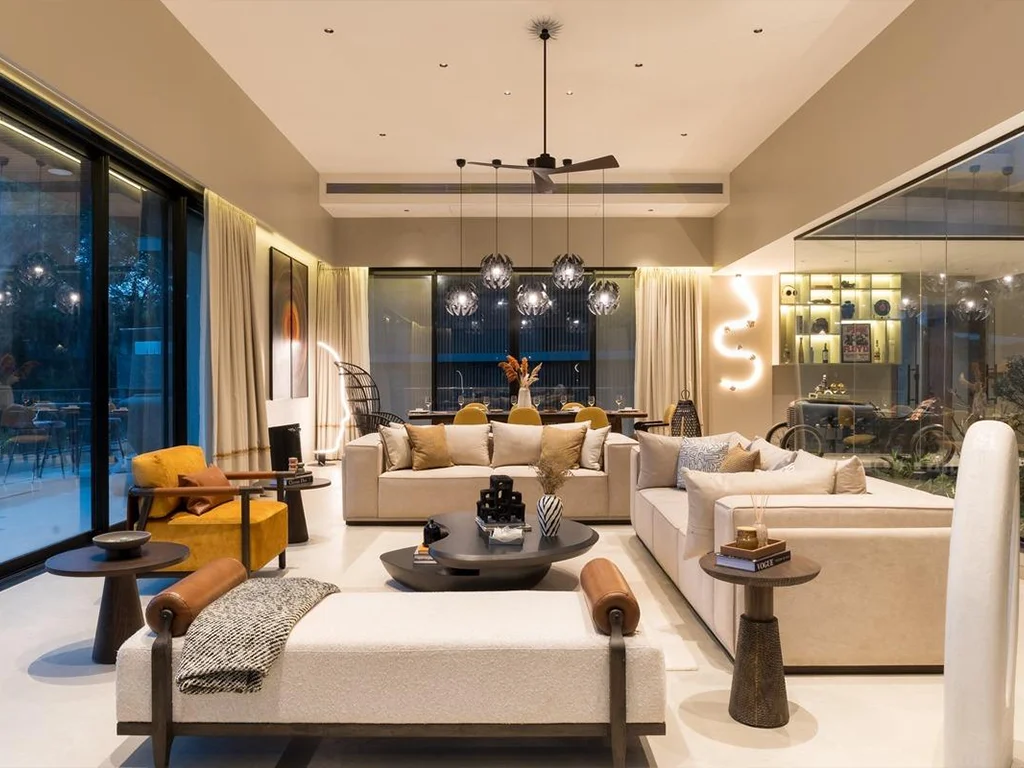

From color temperature and brightness to spatial planning, explore the science behind modern home lighting design and create a more comfortable living environment.
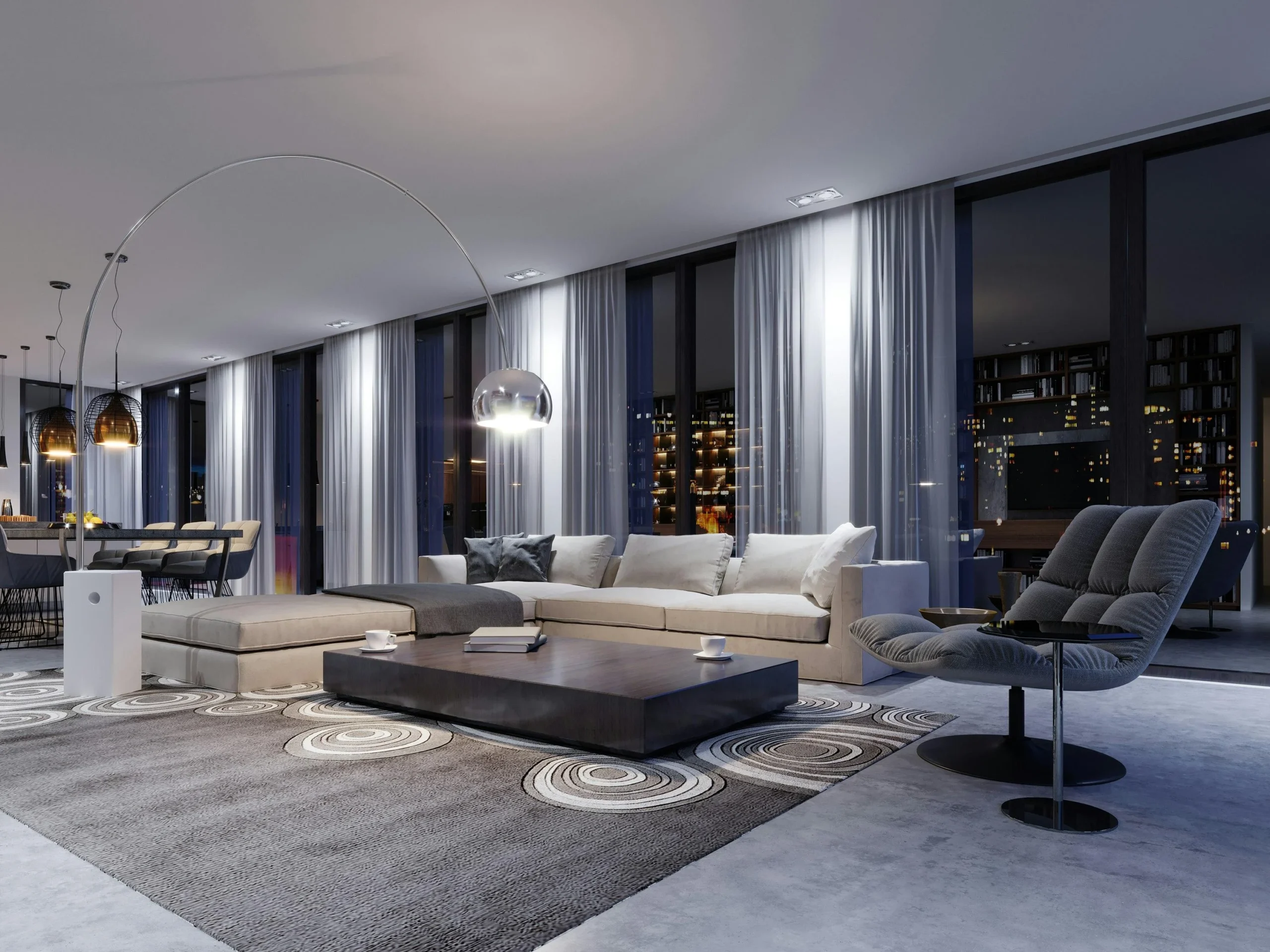
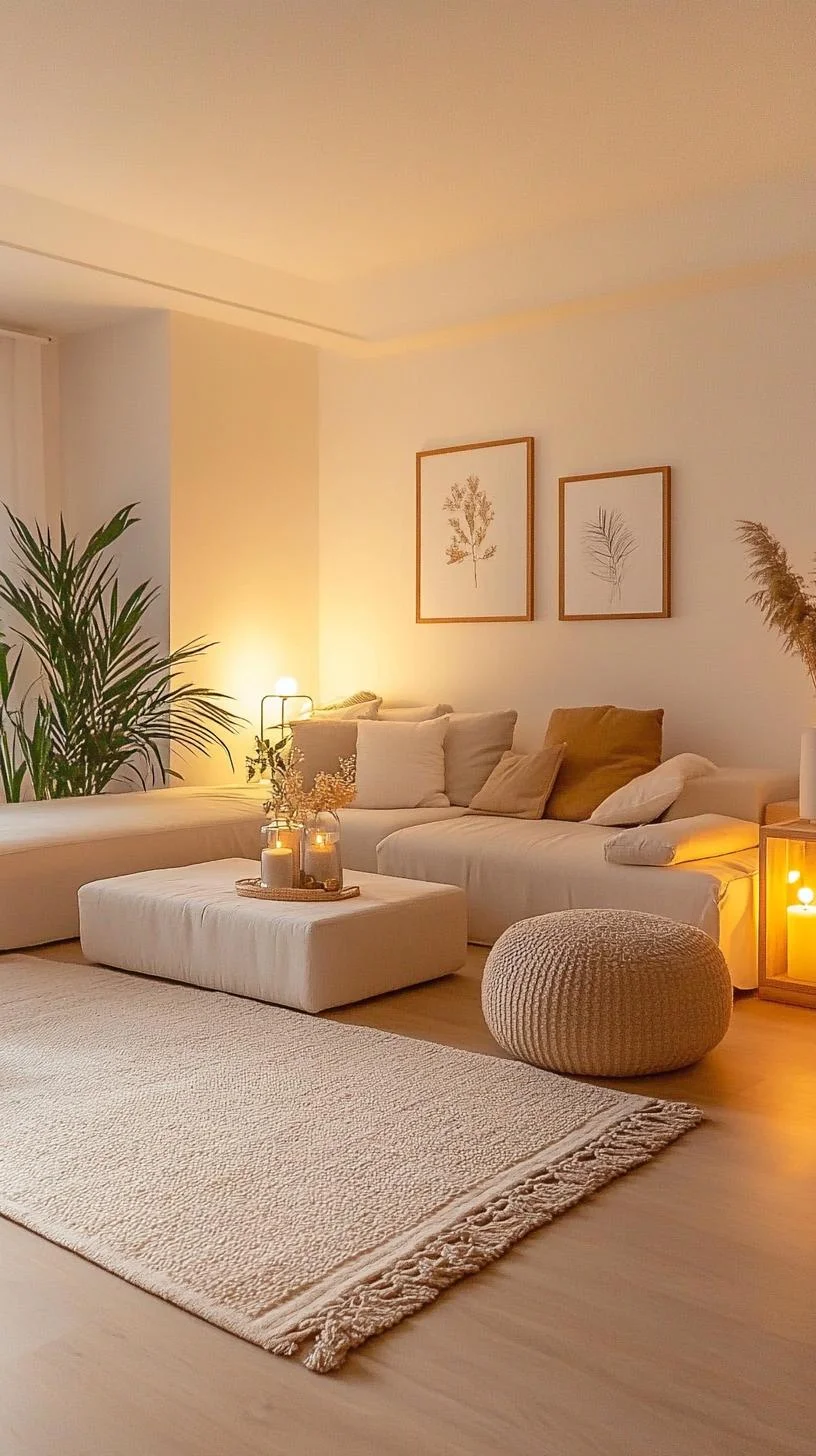
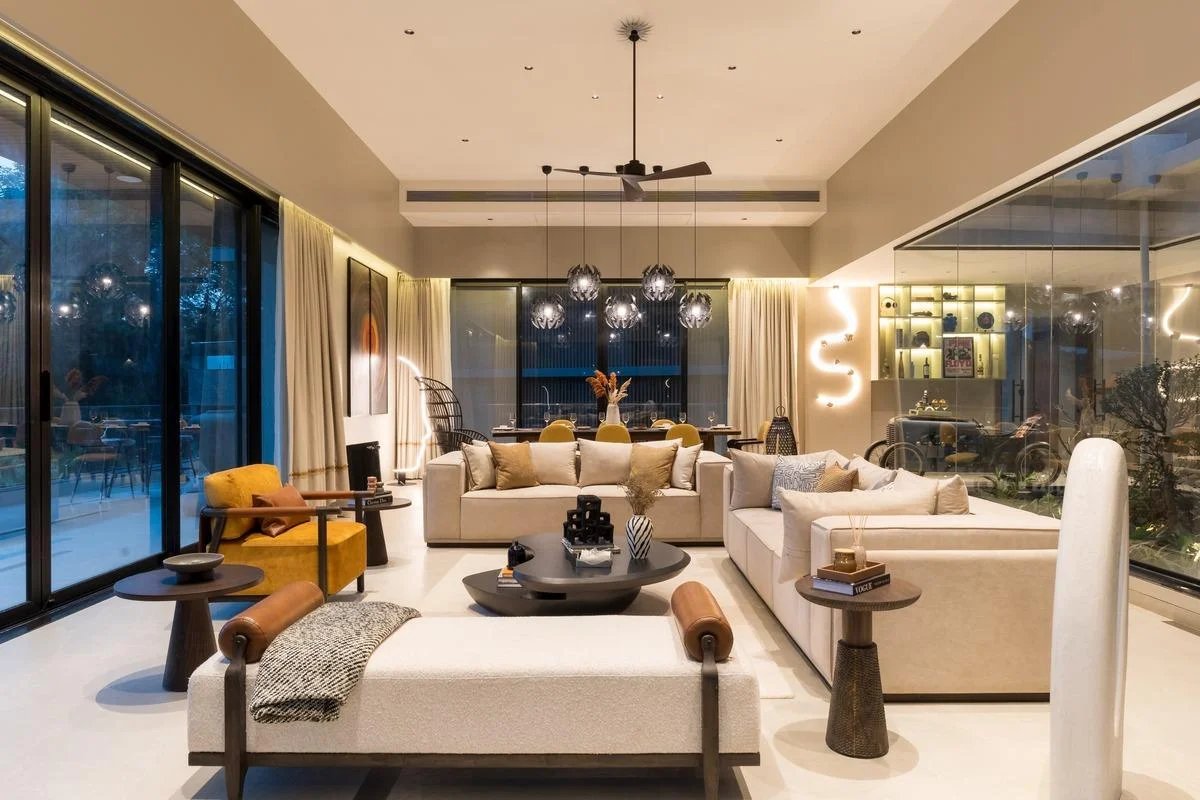
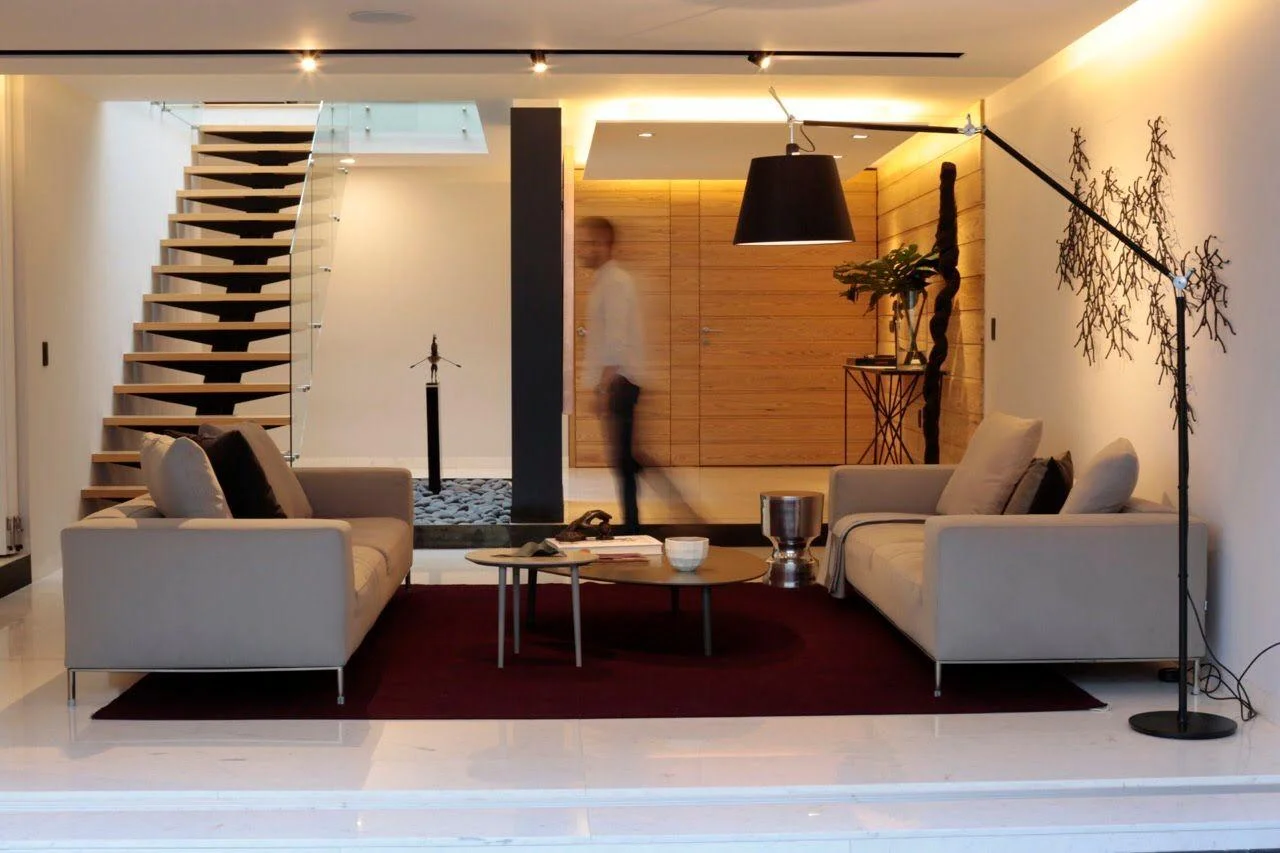
Home Lighting Design Guide: How to Create a Comfortable and Stylish Living Space
Lighting is not merely a tool for illuminating a space; it is also a crucial design element that shapes the overall living experience.
According to research from the International Commission on Illumination (CIE), well-designed lighting can influence visual comfort, spatial perception, and emotional well-being. Modern home design is placing increasing emphasis on the “light environment”, using a combination of different lighting fixtures to achieve both functional performance and aesthetic expression.
An effective home lighting solution is not simply about adding more fixtures. Instead, it focuses on creating a comfortable and balanced environment through the thoughtful combination of brightness, color temperature, light direction, and spatial layout.
1. Why Is Home Lighting So Important?
Many homeowners focus on furniture, wall finishes, and interior decoration during renovation, while overlooking the significant impact that lighting has on the overall atmosphere and functionality of a space.
Good lighting can:
Improve Visual Comfort
Both overly bright and insufficient lighting can increase eye strain and reduce comfort.
Research shows that the human eye adapts better to a balanced, soft, and evenly distributed lighting environment. Proper control of illuminance helps reduce glare while improving the experience of reading, working, and performing everyday activities.
For example:
- Living Room: Recommended around 100–300 lux
- Reading Area: Recommended around 300–500 lux
- Kitchen Work Area: Recommended around 300–500 lux
(Actual lighting levels may vary depending on the room’s function, wall reflectance, furniture arrangement, and personal preferences.)
2. How to Choose the Right Lighting Color Temperature?
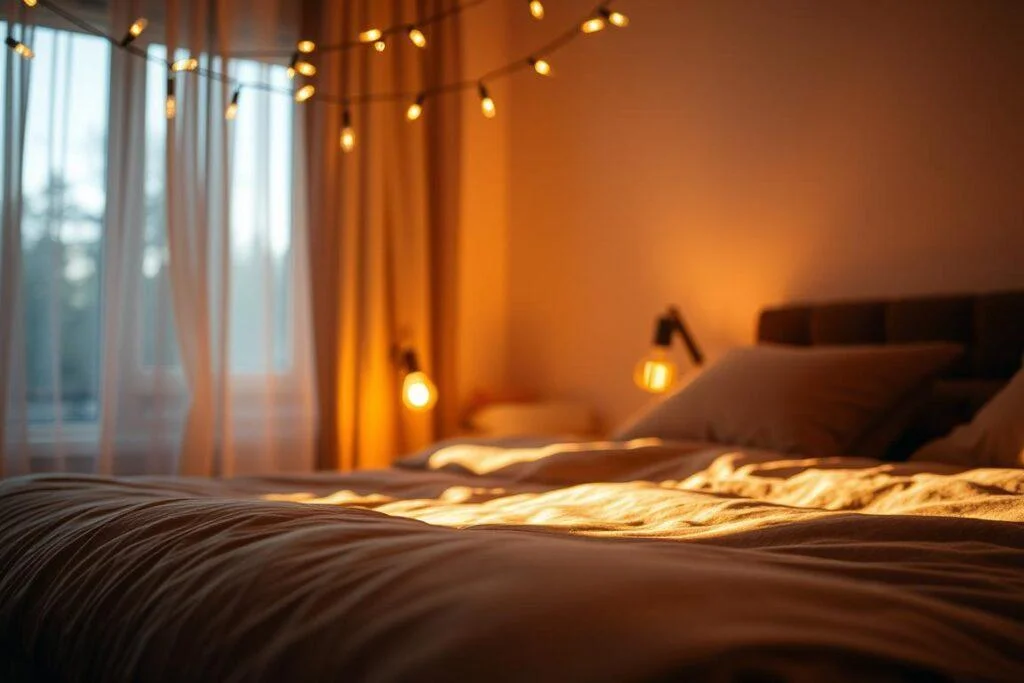
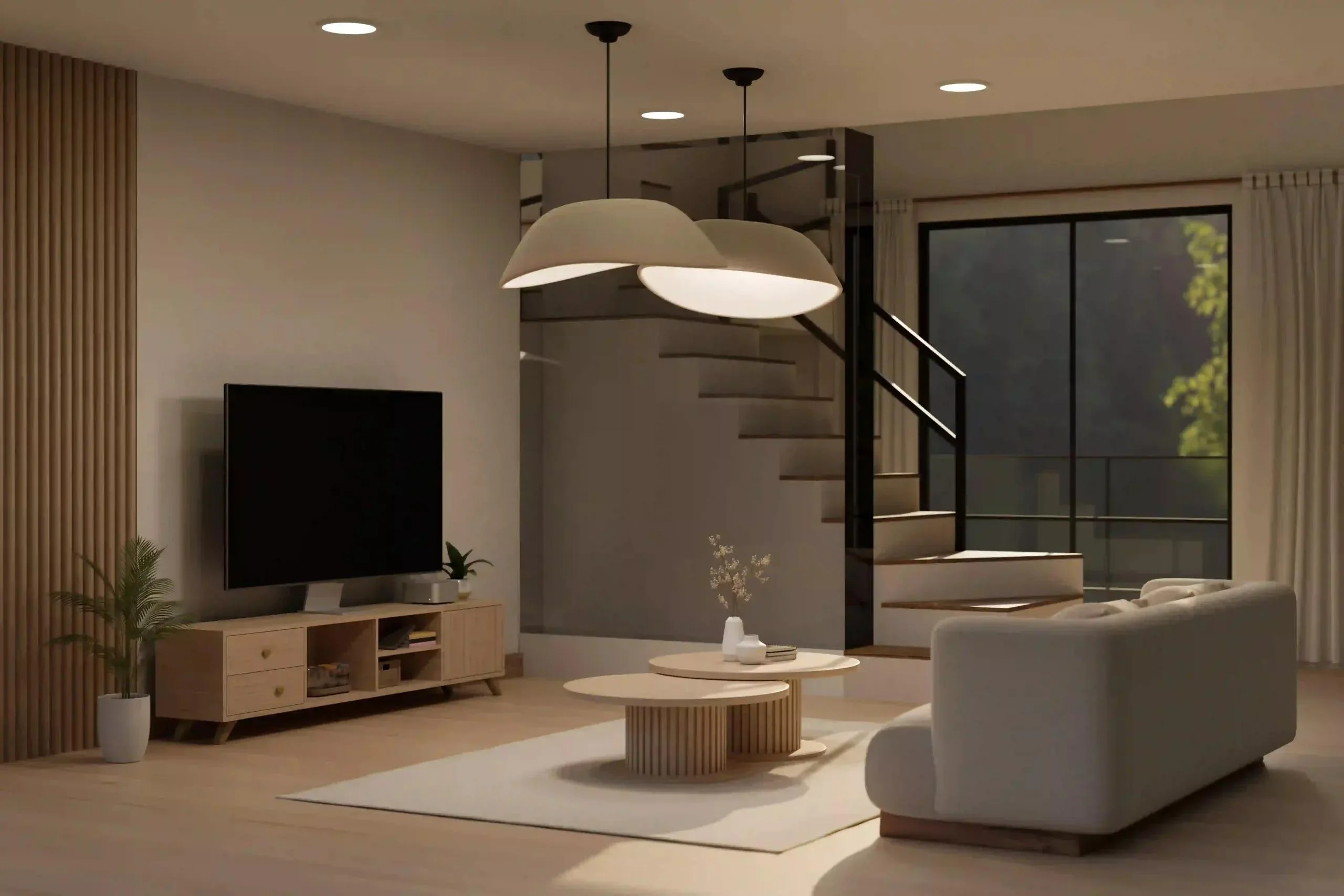
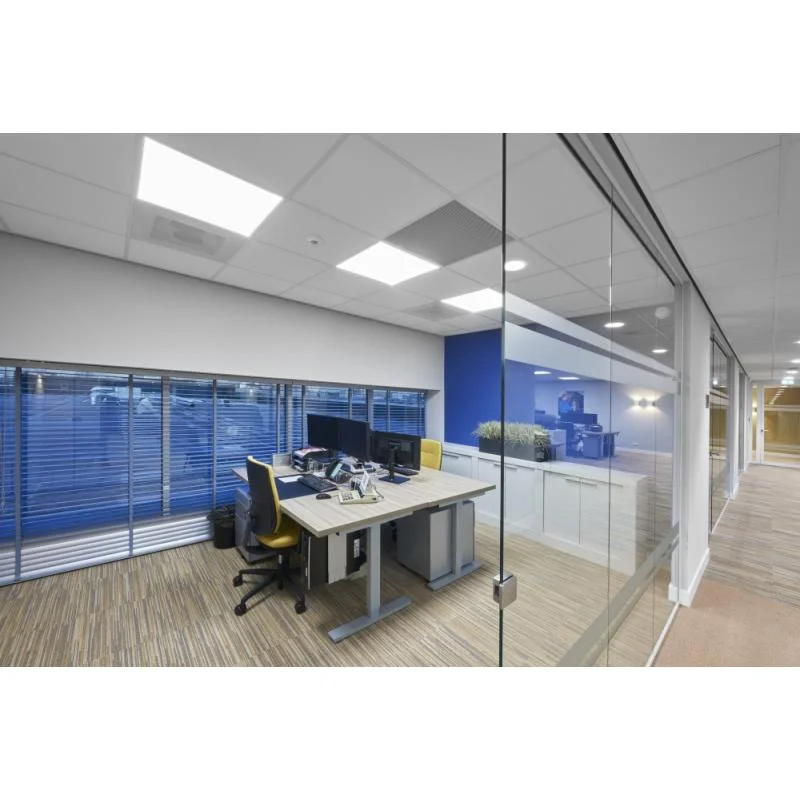
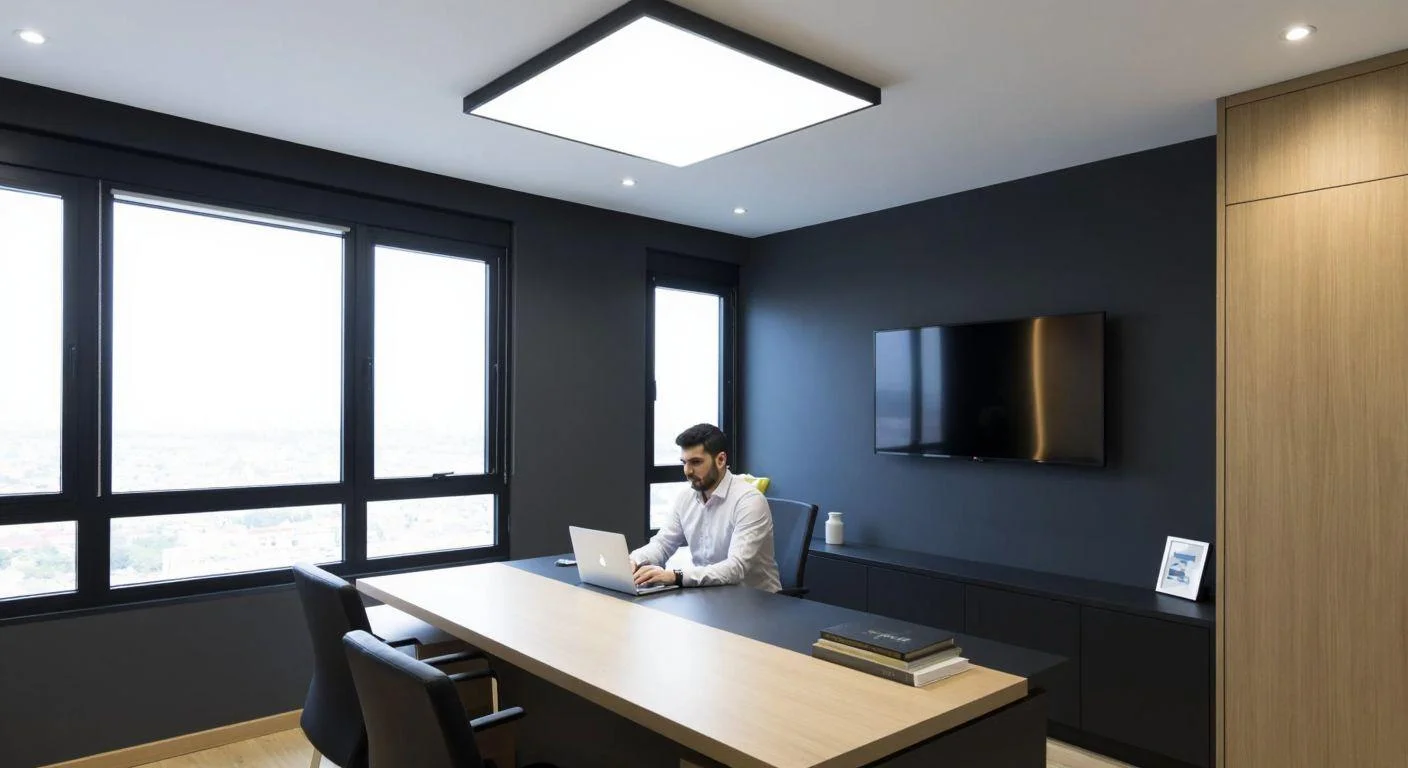
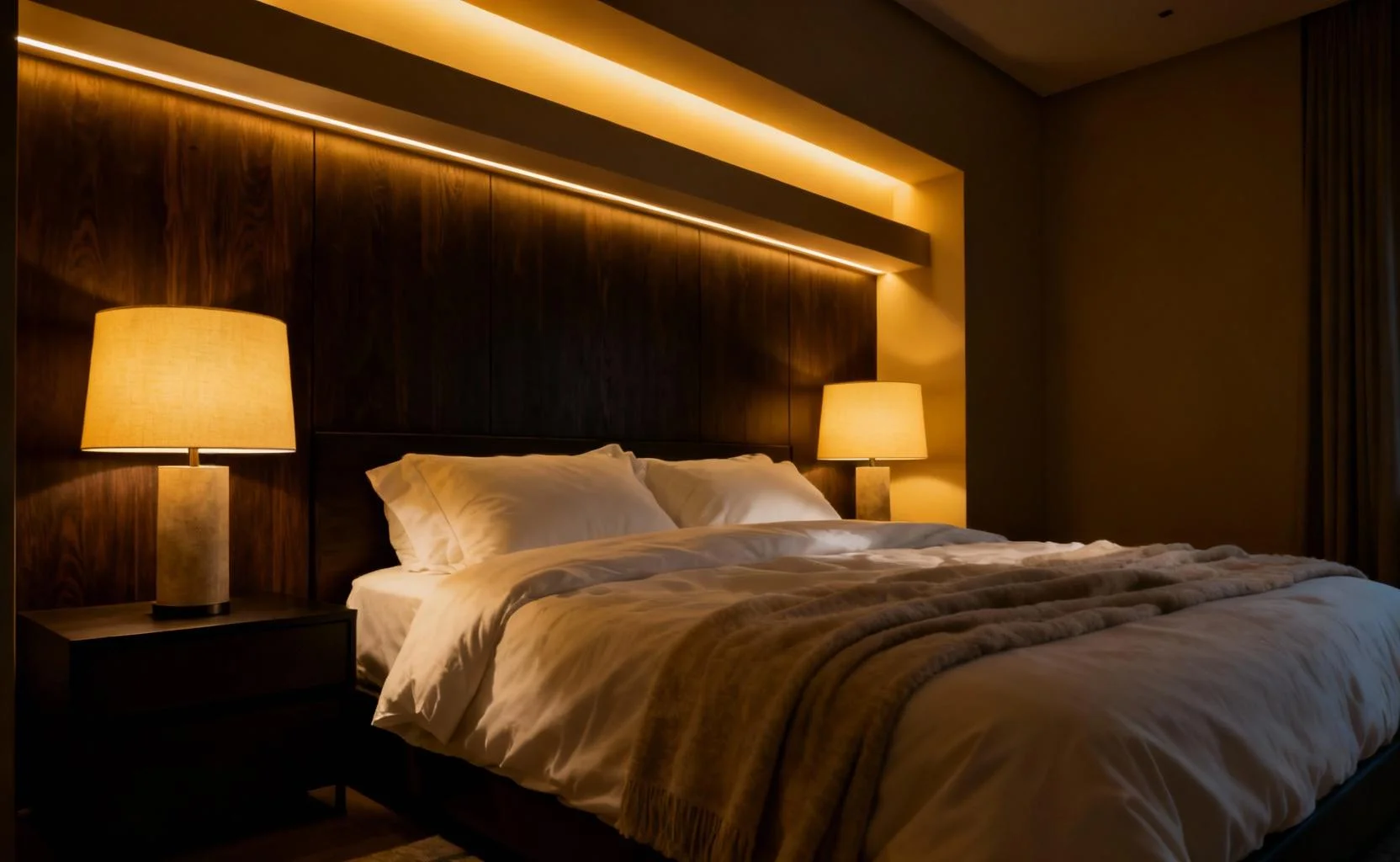
Color temperature is one of the key factors that influences the atmosphere and comfort of a home environment.
Unit:
Kelvin (K)
2700K–3000K: Warm White
Features:
- Soft
- Warm
- Relaxing
Suitable for:
✔ Bedrooms
✔ Living Rooms
✔ Dining Rooms
✔ Hotel Spaces
Warm white lighting creates a cozy and inviting atmosphere, making it ideal for spaces designed for relaxation and comfort.
3500K–4000K: Neutral White
Features:
- Clear
- Natural
Suitable for:
✔ Kitchens
✔ Home Offices
✔ Study Areas
✔ Workspaces
Neutral white lighting provides a balanced and comfortable environment, helping improve visibility while maintaining a natural feel.
5000K and Above: Cool White
Features:
- Bright
- High contrast
Commonly used in:
- Commercial spaces
- Exhibition areas
- Work environments
Cool white lighting is generally not recommended for large residential areas, as it can create a colder atmosphere and may reduce the sense of comfort in living spaces.
3. Lighting Fixture Combinations for Different Spaces
Living Room
Recommended Combination:
✔ Main Ceiling Light
✔ Floor Lamp
✔ Wall Lamps
✔ Decorative Light Strips
Design Focus:
Avoid relying only on a single central light source.
A well-designed living room should use layered lighting, including:
Ambient Light
Provides overall illumination and creates the basic atmosphere.
Task Light
Provides focused lighting for specific activities such as reading or working.
Accent Light
Highlights decorative elements, artwork, or architectural features.
Combining these three types of lighting can make the space feel more sophisticated, comfortable, and visually appealing.
Bedroom
Recommended Fixtures:
- Bedside Wall Lamps
- Small Pendant Lights
- Soft Glow Floor Lamps
Suggestion:
Color Temperature:
2700K–3000K
Avoid excessive blue light exposure before bedtime, as softer warm lighting helps create a relaxing environment and supports a comfortable nighttime routine.
Dining Room
Recommended Fixture:
- Pendant Light as the visual centerpiece
Design Consideration:
The lighting should focus on illuminating the dining table rather than making the entire room excessively bright.
A well-positioned pendant light can enhance the dining atmosphere while creating a warm and elegant focal point.
Conclusion
Home lighting has evolved from simply “illuminating a space” into an essential design element that influences comfort, aesthetics, and quality of life.
A scientifically designed lighting system should consider:
- Space functionality
- Color temperature selection
- Brightness control
- Lighting fixture materials
- Smart lighting experiences
Through thoughtful combinations of different lighting fixtures, homeowners can create living spaces that are more comfortable, beautiful, and personalized.
In the future, home lighting will place greater emphasis on:
- Smart technology
- Energy efficiency
- Artistic design
- Interaction between people and living spaces
Choosing the right light is not just about selecting a lighting product — it is about creating a better lifestyle.