


1. Home Lighting Design Guide: How Lighting Shapes Your Living Experience
Lighting is one of the most overlooked yet influential design elements in a home, having a significant impact on everyday living experiences.
During the renovation process, many homeowners spend a great deal of time selecting furniture, flooring, and wall colors, while lighting design is often underestimated. However, lighting plays a crucial role in determining the final atmosphere, comfort, and overall quality of a space.
Scientific research shows that the lighting environment not only affects visual comfort but also influences emotional well-being, work efficiency, and sleep patterns.
According to lighting research from the International Commission on Illumination (CIE), a well-designed lighting system should balance three key aspects:
- Visual Comfort
- Spatial Atmosphere
- Human-Centric Lighting
An excellent home lighting design is not about making a room as bright as possible. Instead, it is about placing the right light in the right places to create a comfortable, balanced, and harmonious living environment.
2. How to Design the Perfect Bedroom Lighting?
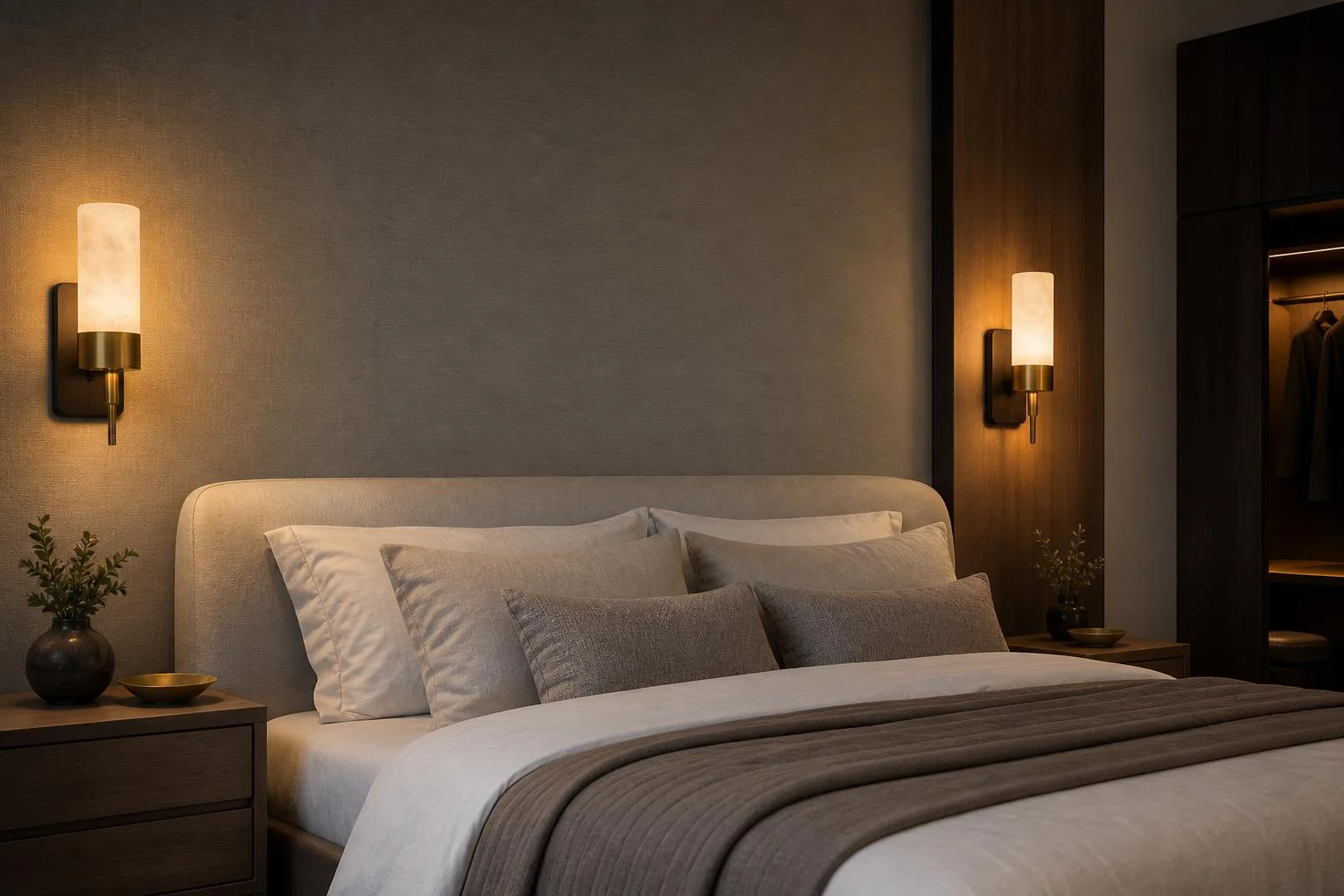
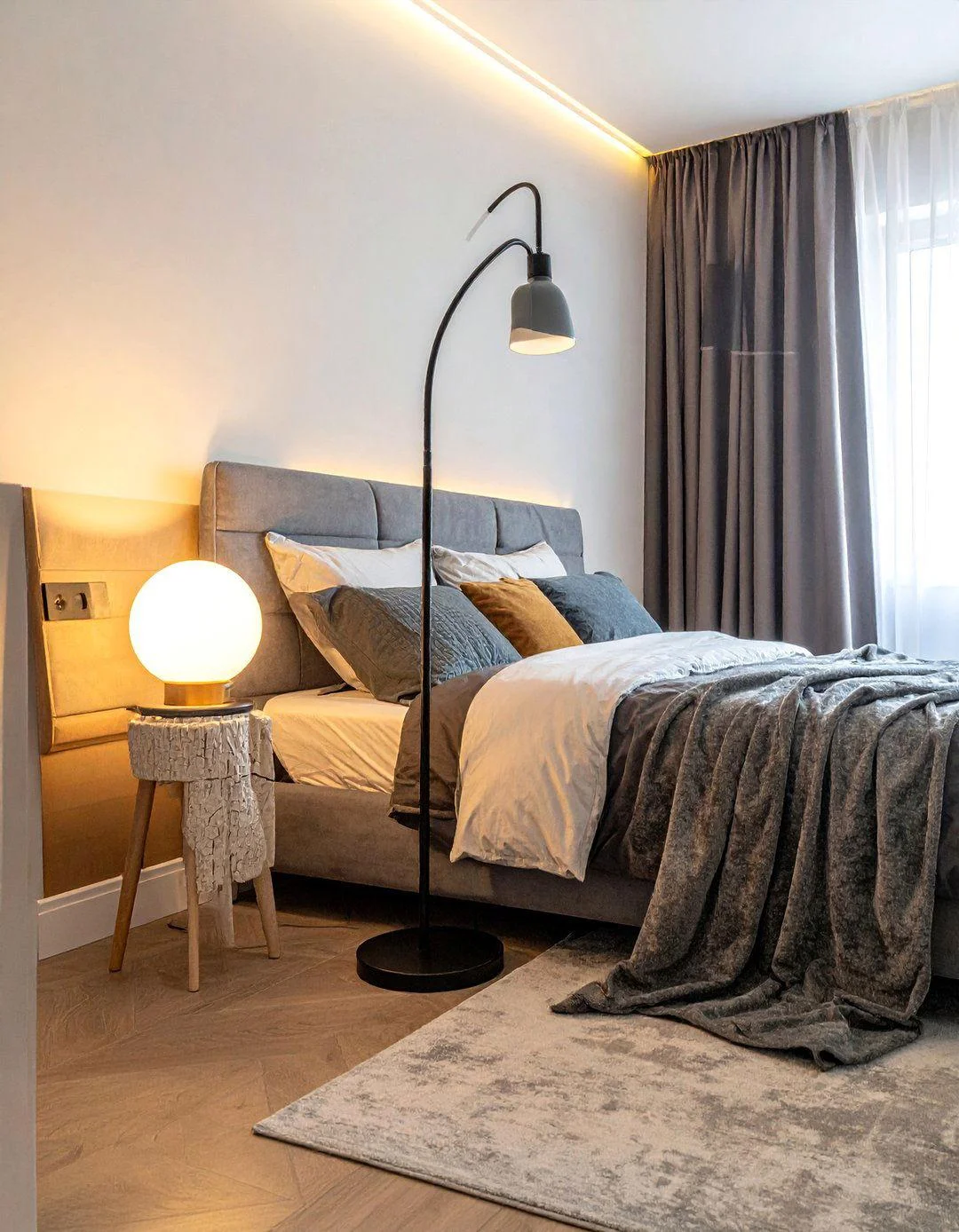
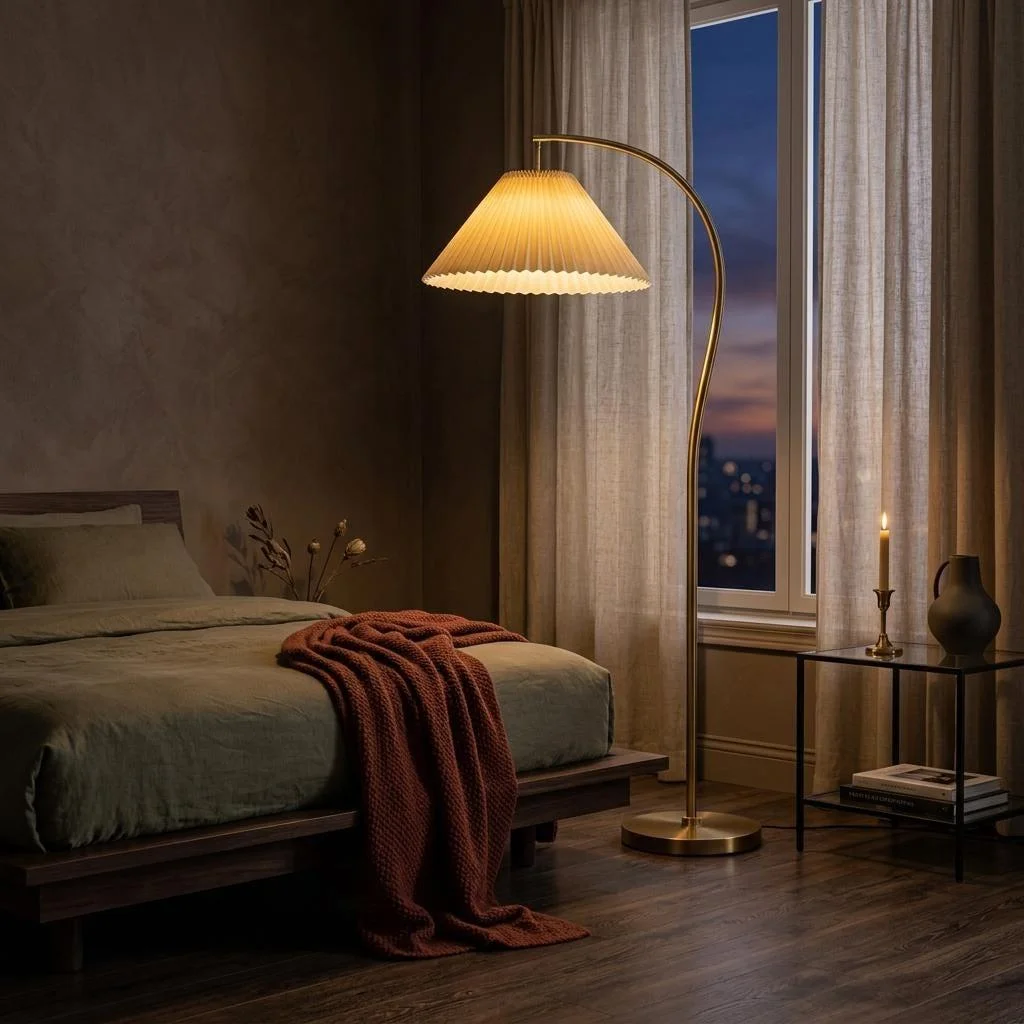
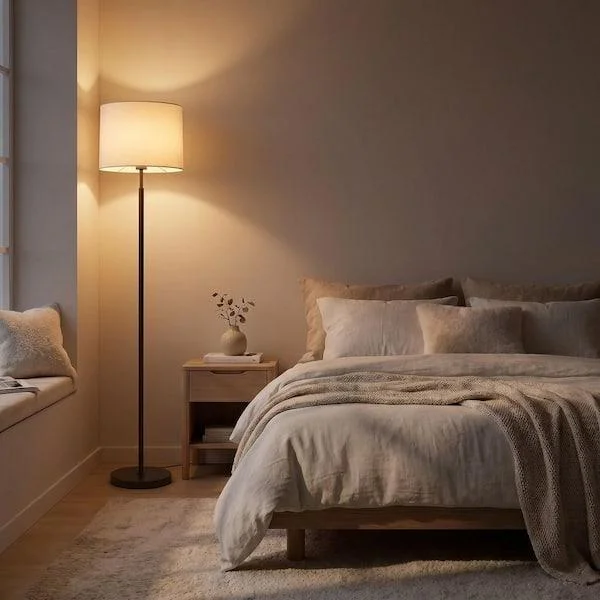
2. How Should Bedroom Lighting Be Designed?
The bedroom is a space dedicated to rest and relaxation, so the primary goal of bedroom lighting should be comfort rather than brightness.
Recommended Color Temperature:
2700K–3000K Warm White
Features:
- Soft and gentle tones
- Creates a cozy atmosphere
- More suitable for evening use
Recommended Fixtures:
- Bedside wall lamps
- Small pendant lights
- Decorative floor lamps
Avoid:
- Bright cool white lighting
- Direct light exposure to the eyes
- Harsh glare
Research shows that excessive exposure to blue light at night may affect melatonin production, which can disrupt the body’s natural sleep rhythm.
Therefore, bedrooms are better suited for low color temperature lighting that creates a relaxing and comfortable environment.
3. Why Have LED Lights Become the Preferred Choice for Modern Homes?
LED (Light Emitting Diode) technology has become the mainstream solution for modern residential lighting.
The main advantages include:
① Energy Efficiency
Compared with traditional incandescent bulbs, LED lighting provides higher energy efficiency.
With long-term use, LED fixtures can significantly reduce household lighting energy consumption while maintaining excellent brightness and performance.
② Long Lifespan
High-quality LED lighting fixtures typically offer:
25,000+ hours of lifespan
This reduces the need for frequent replacement and provides a more reliable long-term lighting solution.
③ Greater Design Flexibility
Due to their compact size, LEDs can be integrated into a wide variety of lighting designs, including:
- Ultra-thin fixtures
- Linear lighting
- Artistic lighting
- Smart lighting systems
Modern designers can create more unique and innovative lighting forms by combining LED technology with creative design.
4. How to Evaluate the Quality of a Lighting Fixture?
① Color Temperature
Common applications:
| Color Temperature | Application |
|---|---|
| 2700K | Bedrooms, Living Rooms |
| 3000K | General Residential Lighting |
| 4000K | Kitchens, Offices |
| 5000K+ | Commercial Spaces |
For most residential environments, the recommended range is:
2700K–3500K
② Color Rendering Index (CRI)
CRI stands for Color Rendering Index, which measures how accurately a light source reproduces the true colors of objects.
Recommended Standards:
Residential spaces:
CRI ≥ 80
High-end residential spaces:
CRI ≥ 90
A higher CRI can make:
- Wood textures appear more natural
- Food colors look more realistic
- Decorative elements appear more refined
③ Glare Control
High-quality lighting should minimize:
- Direct eye irritation from light sources
- Excessive contrast between bright and dark areas
Effective glare control can be achieved through:
- Soft light diffusers
- Acrylic diffusion materials
- Indirect lighting structures
These designs help create a more comfortable and visually balanced environment.
How Can Lighting Make Small Spaces Feel More Premium?
For smaller homes and apartments, lighting design can be even more important than adding more furniture.
Use Multiple Light Sources
Instead of relying on only one central ceiling light, consider adding:
- Small pendant lights
- Wall lamps
- Floor lamps
This creates more visual layers and makes the space feel richer and more sophisticated.
Use Indirect Lighting
Examples include:
- Wall-reflected lighting
- LED strips
- Background lighting
Indirect lighting can make a room appear:
- More spacious
- Softer
- More thoughtfully designed
5. Future Trends in Home Lighting Design
In the coming years, residential lighting will continue to evolve toward the following trends:
1. Human-Centric Lighting
Focused on:
- Visual health
- Natural circadian rhythms
- Improving daily living experiences
2. Sustainable Lighting
Including:
- Energy-efficient LED technology
- Environmentally friendly materials
- Long-lasting designs
3. Artistic Lighting
Lighting fixtures are gradually becoming works of art within interior spaces.
Examples include:
- Alabaster lamps
- Handmade glass lights
- Wooden lighting fixtures
- Sculptural floor lamps
Conclusion: Lighting Defines the Warmth of a Home
Great home lighting is not only about making a space brighter.
It can:
✔ Improve visual comfort
✔ Enhance interior aesthetics
✔ Create a relaxing atmosphere
✔ Transform everyday lifestyles
When choosing lighting fixtures, appearance is only one consideration. You should also evaluate:
- Color temperature
- Brightness
- Materials
- Space functionality
- User experience
A well-designed light fixture is one of the most important interior design elements beyond furniture, helping create a home that feels comfortable, elegant, and truly personalized.