

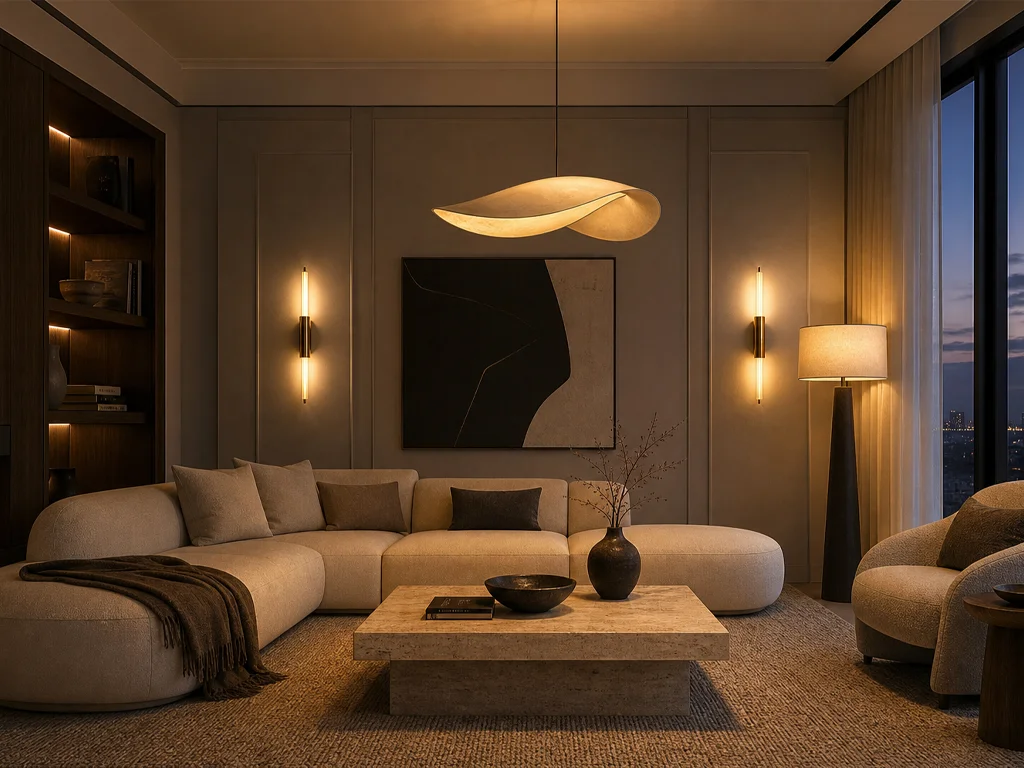

Scientific Lighting Design Tips for Modern Interior Spaces
Lighting is more than just a way to brighten a room. It influences how we experience our homes, affects our mood, supports daily activities, and creates the overall atmosphere of an interior space.
A well-designed lighting system combines functionality, comfort, energy efficiency, and aesthetics. From pendant lights above dining tables to wall sconces beside the bed, every lighting choice plays an important role in creating a balanced living environment.
In this guide, we will explore how to choose the right home lighting, understand different lamp types, and design a comfortable lighting layout based on scientific principles.
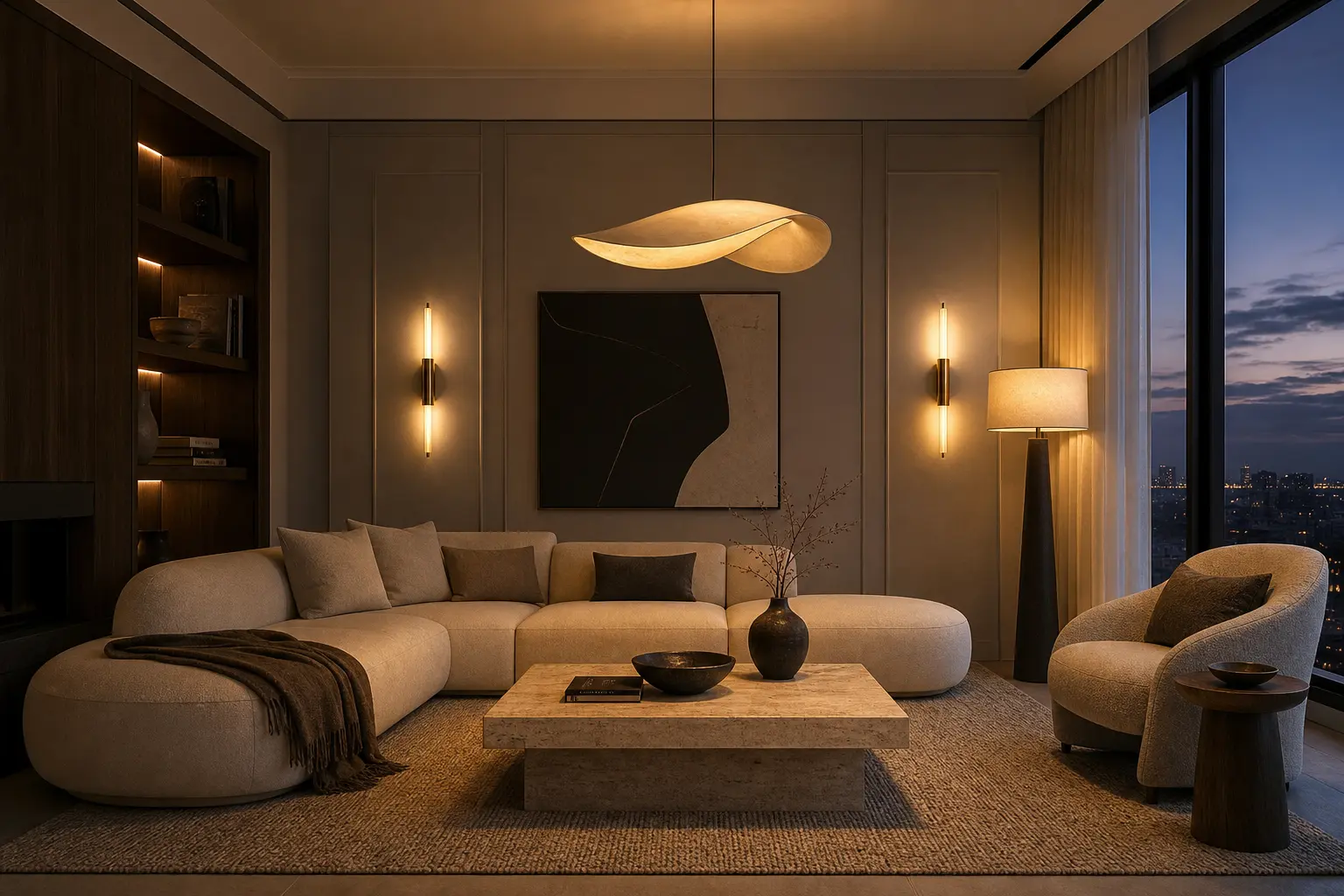
1. Why Lighting Matters in Home Design
Light affects not only visibility but also human comfort and biological rhythms.
According to lighting research, appropriate indoor lighting can help reduce visual fatigue, improve concentration, and create a more relaxing environment.
The key factors include:
Color Temperature (K)
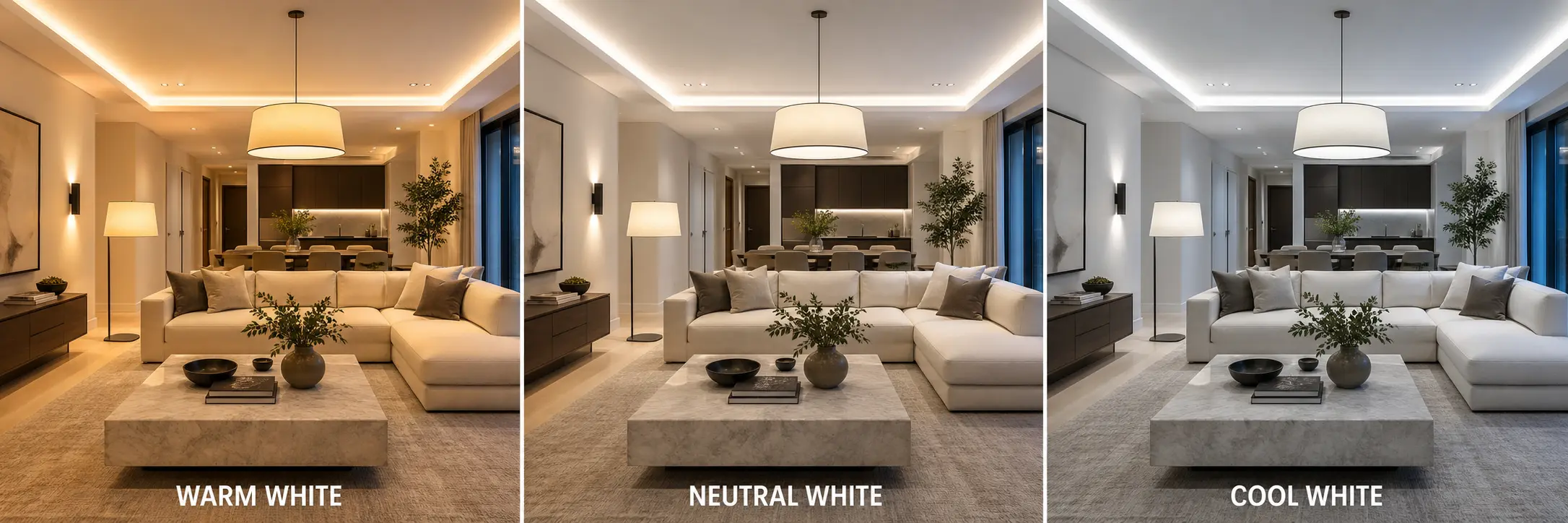
Color temperature determines the feeling of light:
2700K–3000K Warm White
Best for:
- Living rooms
- Bedrooms
- Dining areas
- Hotels and restaurants
Warm lighting creates a cozy and relaxing atmosphere.
3500K–4000K Neutral White
Best for:
- Kitchens
- Home offices
- Bathrooms
- Reading areas
Neutral light provides clearer visibility while maintaining comfort.
5000K+ Cool White
Usually used for:
- Commercial spaces
- Workshops
- Industrial areas
Not commonly recommended for relaxing residential spaces.
2. Understanding Different Types of Home Lighting
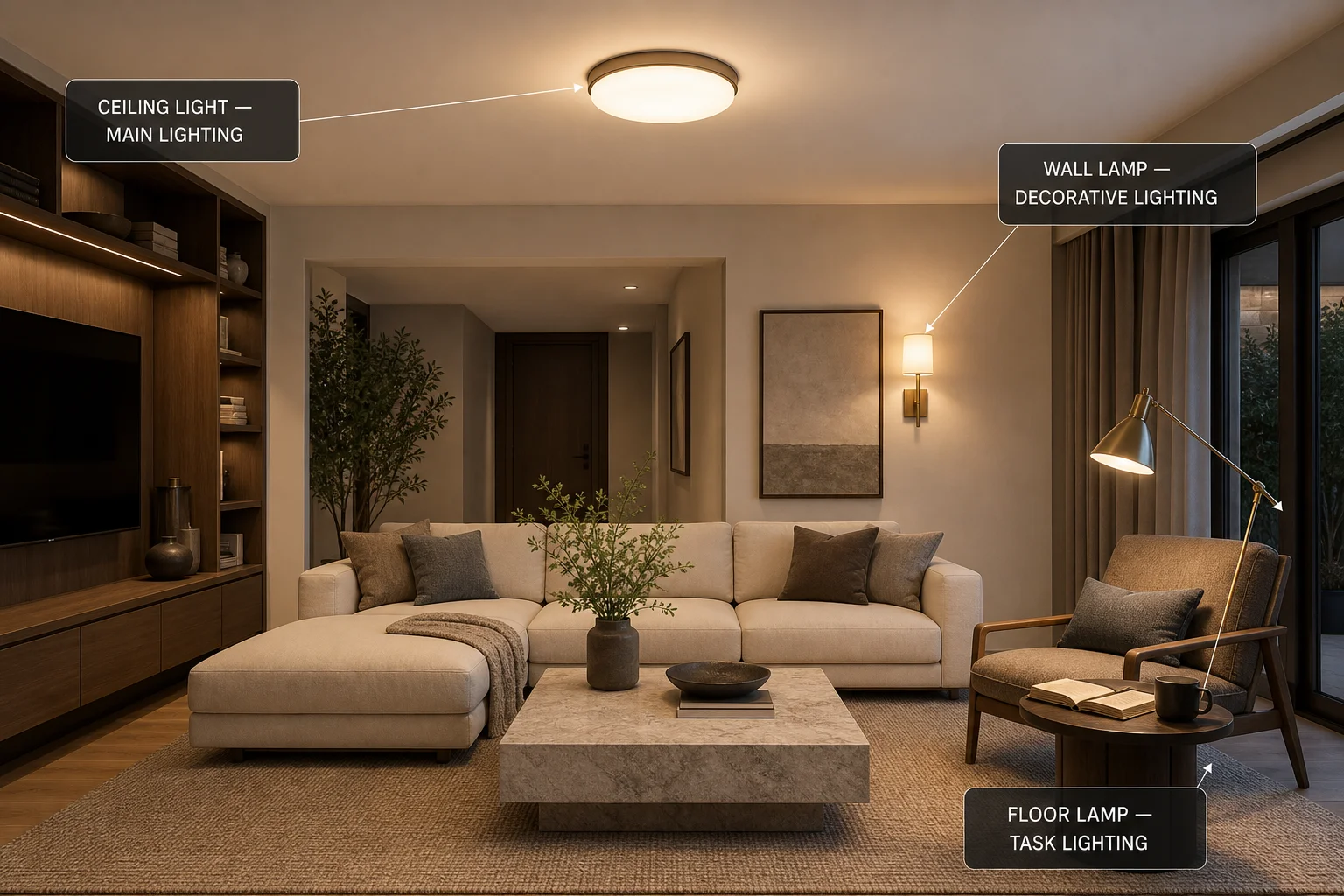
A successful lighting design usually combines three layers:
① Ambient Lighting
Provides general illumination for the entire room.
Common products:
- Ceiling lights
- Flush mount lights
- Large pendant lights
② Task Lighting
Designed for specific activities.
Examples:
- Reading lamps
- Kitchen cabinet lights
- Desk lamps
- Bathroom mirror lights
③ Accent Lighting
Used to highlight decorative elements.
Examples:
- Wall sconces
- Track lights
- LED strips
- Picture lights
Combining these three lighting layers creates depth and a professional interior atmosphere.
3. How to Choose Lighting for Different Rooms
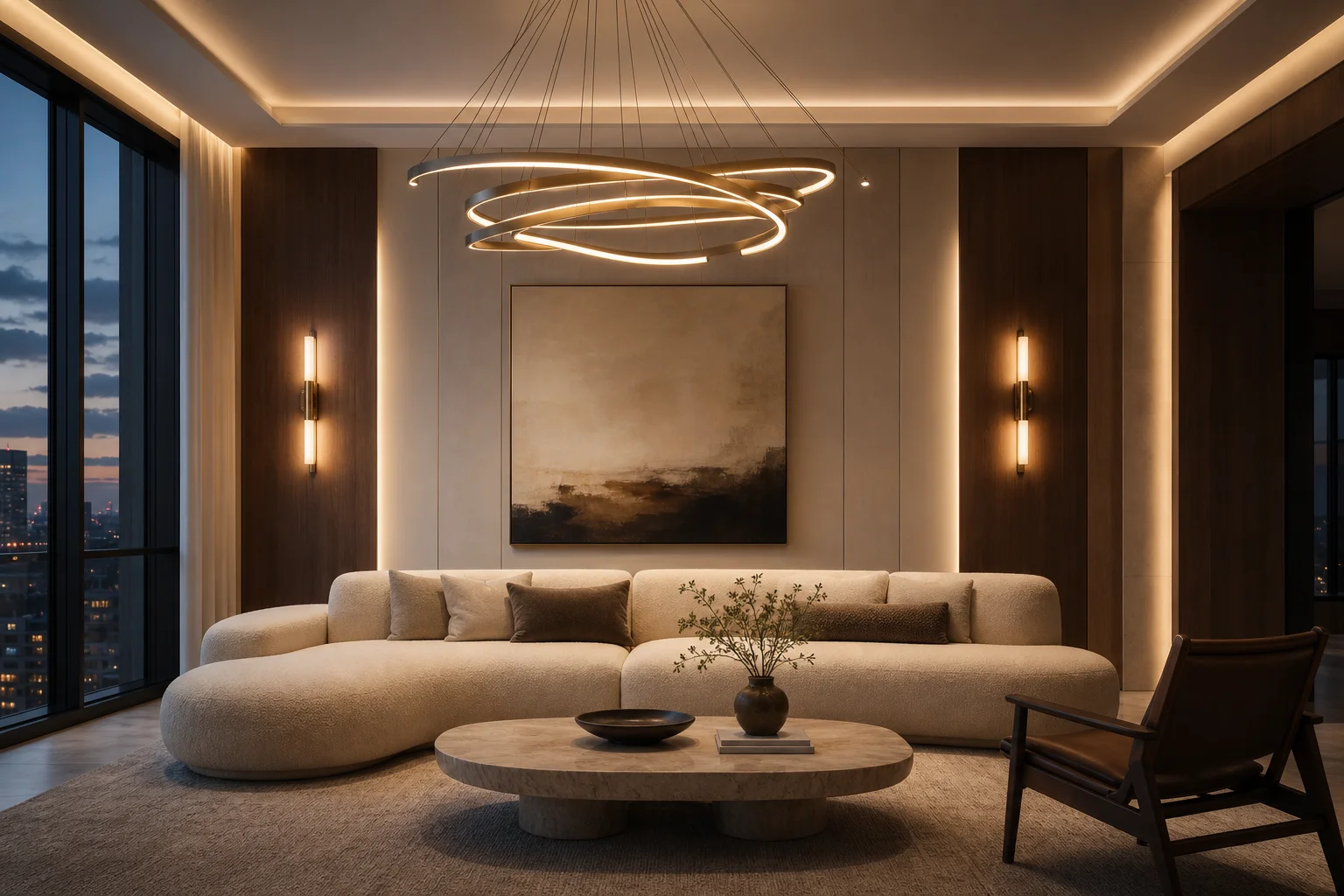
Living Room Lighting Design
The living room is usually the center of family activities.
Recommended lighting combination:
Main Lighting
Pendant light or ceiling light
Additional Lighting
- Wall sconces
- Floor lamps
- LED strips
Recommended brightness:
100–300 lux
A layered lighting system makes the room more comfortable and visually attractive.
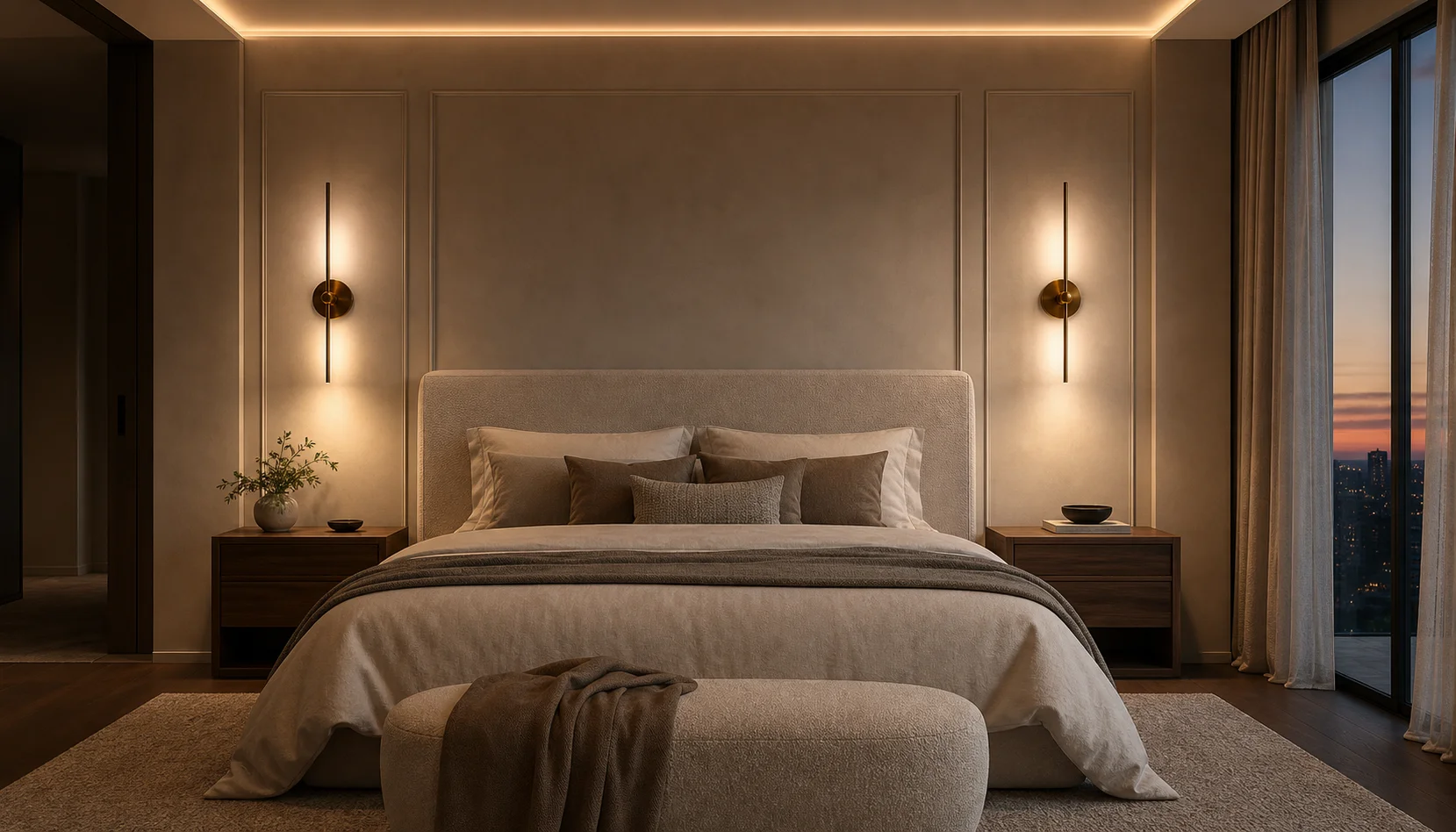
Bedroom Lighting Design
The bedroom requires soft and relaxing lighting.
Recommended:
- Bedside wall lamps
- Soft pendant lights
- Warm LED lighting
Recommended color temperature:
2700K–3000K
Avoid strong direct lighting because excessive brightness may affect relaxation before sleep.
Recommended illumination:
75–150 lux
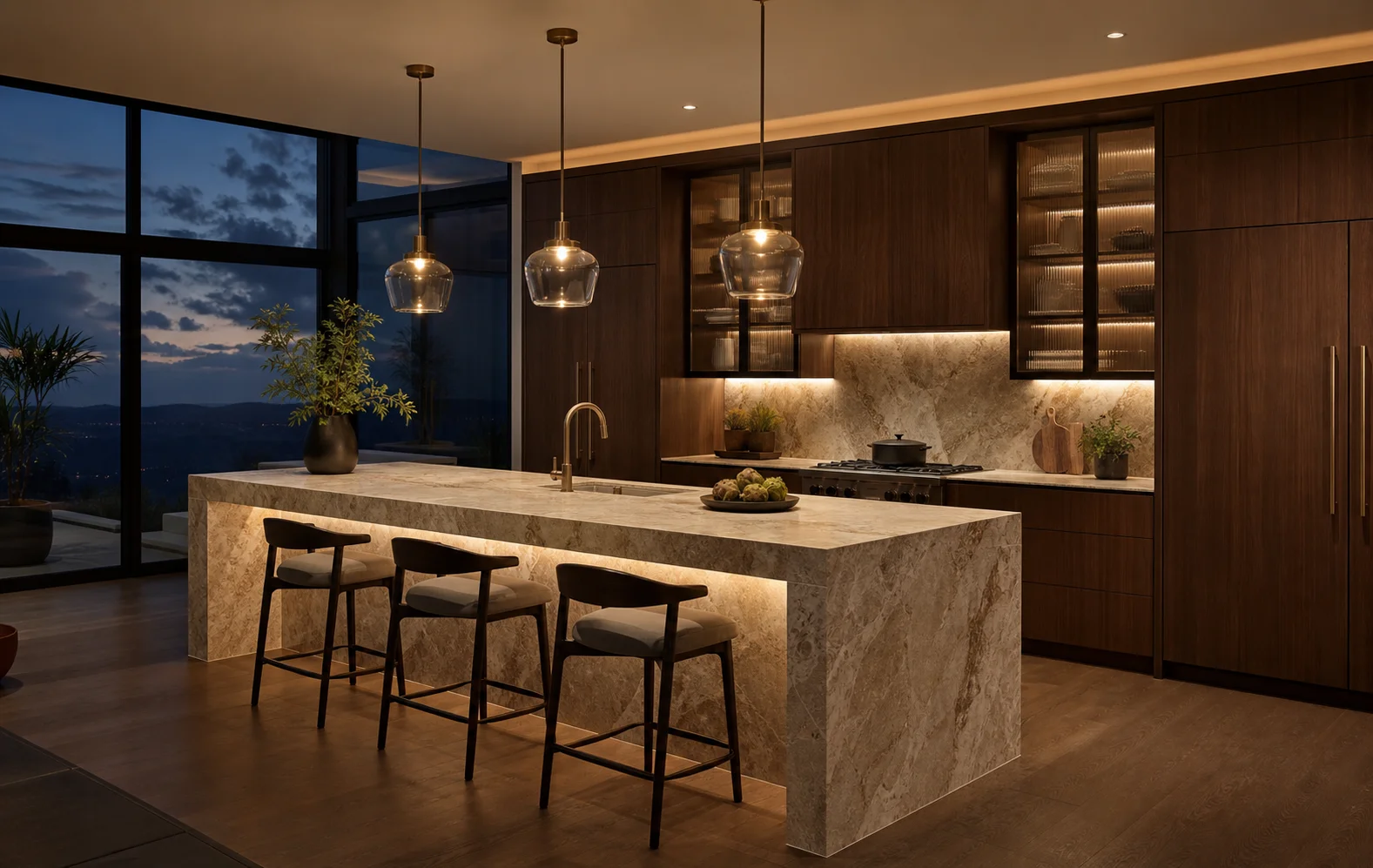
Kitchen Lighting Design
The kitchen requires brighter and clearer lighting.
Recommended:
Main lighting:
- Ceiling light
- Pendant lights above island counter
Task lighting:
- Under cabinet LED strips
Recommended illumination:
300–500 lux
Good kitchen lighting improves safety and makes food preparation easier.
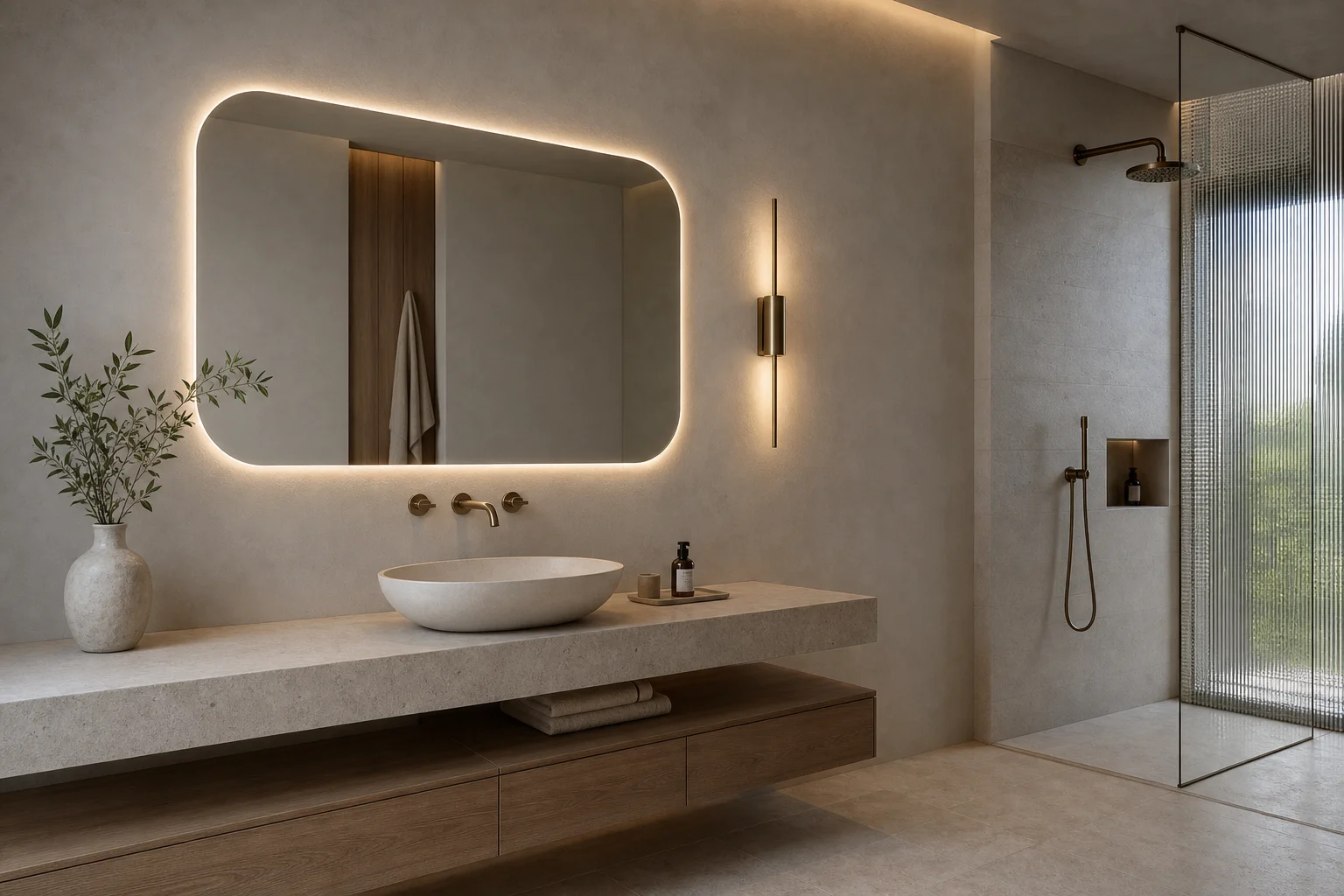
Bathroom Lighting Design
Bathroom lighting should provide accurate visibility.
Recommended:
- Mirror front lights
- Waterproof ceiling lights
- Wall lamps
Important specification:
Color Rendering Index (CRI)
Choose:
CRI ≥ 90
High CRI lighting makes skin tones and colors appear more natural.
4. How to Choose High-Quality LED Home Lighting
When purchasing lamps, pay attention to these specifications:
1. Color Rendering Index (CRI)
CRI measures how accurately colors appear under lighting.
Recommended:
- CRI 80+: Basic residential use
- CRI 90+: Premium home lighting
Higher CRI creates a more natural visual experience.
2. Energy Efficiency
Modern LED lighting provides:
- Lower electricity consumption
- Longer lifespan
- Less heat generation
Compared with traditional incandescent bulbs, LED lights can significantly reduce energy usage.
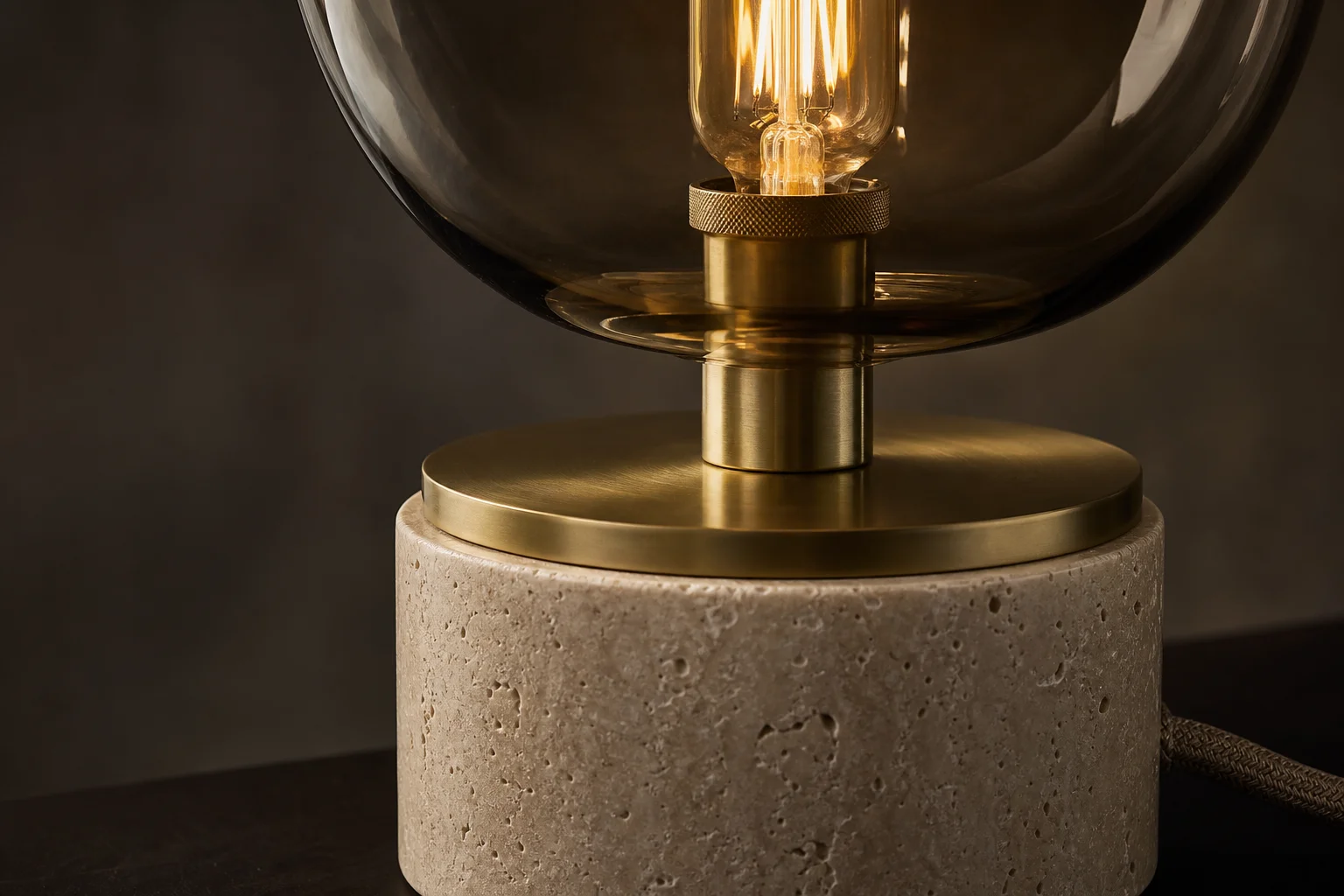
3. Material Quality
High-quality lighting products usually use:
- Aluminum alloy
- Glass
- Acrylic
- Natural stone
- Brass
Better materials improve durability and appearance.
photography showing premium lamp materials.photography showing premium lamp materials.
5. Modern Home Lighting Trends in 2026
Minimalist Lighting
Simple shapes and clean designs remain popular.
Features:
- Cylindrical wall lamps
- Linear pendant lights
- Geometric designs
Natural Material Lighting
Growing demand for:
- Wood
- Marble
- Glass
- Stone textures
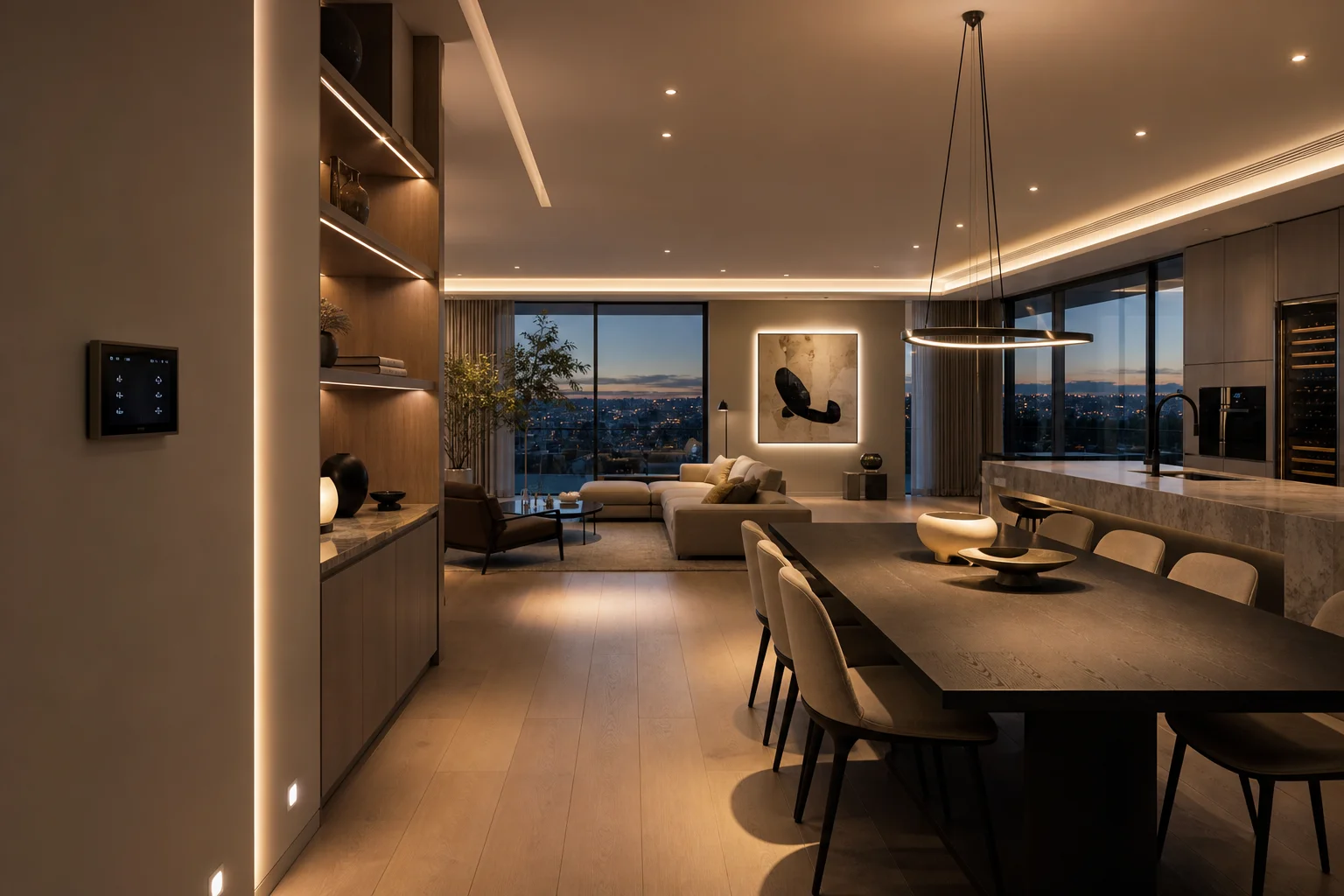
Smart Lighting
Modern homes increasingly use:
- Adjustable brightness
- Smart control systems
- Scene lighting
Smart lighting allows users to create different atmospheres for working, relaxing, or entertaining.
6. Common Mistakes When Choosing Home Lighting
Mistake 1:
Only installing one central light.
Problem:
The room becomes flat and lacks atmosphere.
Solution:
Use layered lighting.
Mistake 2:
Choosing the wrong color temperature.
Problem:
Cold lighting can make bedrooms uncomfortable.
Solution:
Use warm lighting for relaxation areas.
Mistake 3:
Ignoring light direction.
Problem:
Direct glare creates discomfort.
Solution:
Choose diffused lighting designs.
Conclusion: Good Lighting Creates Better Living Spaces
Home lighting is not only about decoration. It is a combination of science, technology, and design.
The right lighting can:
✓ Improve comfort
✓ Enhance interior beauty
✓ Support daily activities
✓ Create a healthier living environment
By selecting suitable lamp styles, brightness levels, color temperatures, and materials, every home can achieve a balanced and welcoming atmosphere.
At Xunlu Lighting, we focus on modern residential and commercial lighting solutions, providing professional lighting designs, OEM & ODM services, and high-quality lighting products for global customers.